Mastering Local Search with an Advanced Google Map Data Scraper
Mastering Local Search with an Advanced Google Map Data Scraper
In today’s hyper-connected world, a strong online presence isn’t just about having a website; it’s about being discoverable where your customers are actually looking. For local businesses, this means dominating local search results – those crucial listings that appear when someone types “plumber near me,” “best coffee shop downtown,” or “dentist in [your city].” And at the heart of local search lies Google Maps.
But how do you truly master this vital arena? While optimizing your Google Business Profile is paramount, there’s a powerful, often underutilized tool that can give you a significant competitive edge: an advanced Google Map data scraper.
This isn’t about shady tactics or scraping personal data. Instead, think of it as a sophisticated research and intelligence-gathering operation that empowers you with actionable insights to outmaneuver your competitors and connect with more local customers.
Why Traditional Local Search Optimization Isn’t Enough
You’ve dutifully filled out your Google Business Profile, encouraged reviews, and ensured your NAP (Name, Address, Phone number) is consistent across the web. These are essential first steps, the foundation of your local SEO strategy. However, the local search landscape is dynamic and competitive. Simply being present isn’t enough to guarantee visibility.
Here’s where a Google Map data scraper comes in, transforming your approach from reactive to proactive.
What is a Google Map Data Scraper?
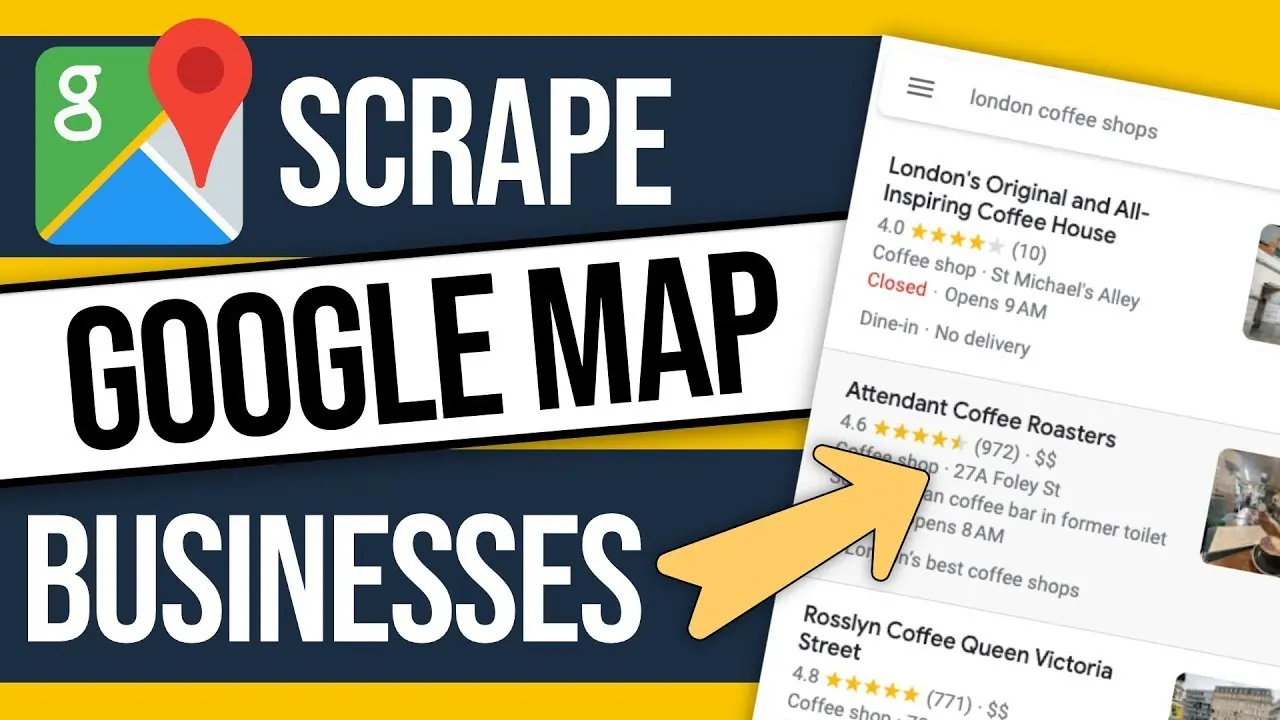
At its core, a Google Map data scraper is a software tool or script that automates the process of extracting specific information from Google Maps. Instead of manually clicking through hundreds of business listings, a scraper can systematically collect data points like:
Business Name
Address
Phone Number
Website URL
Categories/Services Offered
Customer Reviews (ratings, text, dates)
Opening Hours
Photos
Google Business Profile Link
Even competitor information you might not find easily otherwise
An advanced
scraper goes beyond this basic collection, allowing for targeted searches, customized data fields, and the ability to handle complex datasets.
The Strategic Advantages of a Google Map Data Scraper for Local Search Mastery
Harnessing the power of a Google Map data scraper unlocks a wealth of strategic advantages, allowing you to understand your local market like never before.
1. Deep Dive Competitive Analysis:
This is arguably the most potent application. Imagine knowing precisely:
Who your top local competitors are:Identify businesses appearing in the “map pack” and organic local results for your most important keywords.
Their strengths and weaknesses:Analyze their review sentiment, the number of reviews they have, their average rating, and the services they highlight.
Their online presence:Scrape their websites for additional service details, promotions, and social media links.
Their pricing (where visible/inferable):While not always directly scraped, sometimes pricing information is embedded in service descriptions or linked pages.
Actionable Insights:Armed with this data, you can:
Identify gaps in the market that you can fill.
Discover what your competitors are doing well and replicate their successes.
Understand areas where they are falling short and capitalize on those weaknesses.
Refine your own service offerings and marketing messages to stand out.
2. Hyper-Targeted Keyword Research:
Google Maps data provides real-world context for keyword research. By scraping businesses within your target geographic areas, you can discover:
The precise categories and keywords local customers are using:Observe the categories businesses are listed under and the language used in their descriptions and reviews.
Emerging local search trends:Spot new businesses or service offerings that are gaining traction.
Actionable Insights:
Refine your Google Business Profile categories to match what people are actually searching for.
Incorporate relevant keywords naturally into your business description and posts.
Create content (blog posts, social media updates) that addresses the specific needs and questions identified in local search queries.
3. Optimizing Your Google Business Profile:
Your Google Business Profile (GBP) is your storefront on Google Maps. Data scraping helps you ensure it’s as effective as possible.
Identify Missing Information:Compare your GBP to competitors and find out what crucial details you might be missing (e.g., specific services, attributes, accessibility features).
Benchmark Your Performance:Track your ranking for key local searches and compare it against competitors over time.
Understand Review Patterns:Analyze the types of reviews your competitors are receiving (positive and negative) to inform your own customer service and review management strategies.
Actionable Insights:
Ensure all relevant sections of your GBP are complete and accurate.
Develop a strategy to encourage reviews that highlight your unique selling propositions.
Address negative feedback constructively and use it to improve your services.
4. Lead Generation and Prospecting:
For businesses that offer services to other businesses (B2B), a scraper can be an invaluable lead generation tool.
Identify Potential Clients:Scrape businesses in specific industries within your target locations.
Gather Contact Information:Extract phone numbers and website URLs for outbound sales efforts.
Understand Their Needs:Analyze their existing services and identify areas where your offerings can provide value.
Actionable Insights:
Build targeted lists of potential clients for your sales team.
Personalize your outreach based on the specific needs and services of the prospect.
5. Local SEO Auditing and Monitoring:
Regularly auditing your local SEO performance is crucial. A scraper automates this process.
Track Ranking Changes:Monitor how your business appears in local search results for different keywords and locations over time.
Identify New Competitors:Stay on top of businesses that recently entered your local market.
Analyze Market Saturation:Understand how crowded your local market is for specific services.
Actionable Insights:
Identify underperforming keywords or areas where you’re losing ground to competitors.
Adjust your local SEO strategy in real-time based on market shifts.
Choosing and Using Your Advanced Google Map Data Scraper Responsibly
While the benefits are clear, it’s crucial to approach data scraping ethically and responsibly:
1. Respect Google’s Terms of Service:Google’s Terms of Service prohibit scraping without their express permission. While many businesses use scraping tools for legitimate business intelligence, be aware of the potential risks. Avoid excessive or aggressive scraping that could lead to IP bans.
2. Focus on Publicly Available Data:Stick to scraping information that is readily visible to any user browsing Google Maps. Do not attempt to scrape private user data.
3. Utilize Legitimate Tools or Develop Your Own (with caution):
Third-Party Scraping Tools:Many reputable tools offer Google Maps scraping capabilities. Research tools like Bright Data, Apify, or Octoparse, but thoroughly understand their features, limitations, and pricing.
Custom Scripts (Python with Libraries like `BeautifulSoup` and `Requests`):For advanced users, developing custom Python scripts can offer maximum flexibility. However, this requires technical expertise and careful handling of Google’s anti-scraping measures.
4. Prioritize Data Quality and Analysis:Raw data is useless without interpretation. Invest time in cleaning, organizing, and analyzing the data you collect.
5. Stay Updated:Google frequently updates its algorithms and website structure, which can break scraping scripts. Be prepared to adapt your tools and methods.
The Future of Local Search is Data-Driven
In the competitive landscape of local search, simply “showing up” is no longer sufficient. To truly master local search, you need to understand your market, your competitors, and your customers at a granular level. An advanced Google Map data scraper, when used responsibly and strategically, is your key to unlocking this deeper understanding.
By transforming raw map data into actionable insights, you can refine your offerings, sharpen your marketing, and ultimately, connect with more local customers than ever before. So, are you ready to go beyond basic optimization and truly conquer your local search territory? The data is waiting.