Boost Your Sales Pipeline with Google Map Scraping
Ignite Your Sales Pipeline with a Google Map Data Scraper
Estimated Reading Time: 5 minutes
- Leverage real-time data for targeted lead generation.
- Save time and resources through automated data extraction.
- Make informed decisions with up-to-date business information.
- Discover practical steps for successful data scraping.
Table of Contents
- Understanding the Power of Google Map Data Scraping
- Why Use Google Map Data Scrapers for Your Business?
- Practical Steps to Utilize a Google Map Lead Scraper
- Challenges When Using Google Map Data Scrapers
- Conclusion: Elevate Your Sales Strategy with Google Map Scraping Tools
- FAQ
Understanding the Power of Google Map Data Scraping
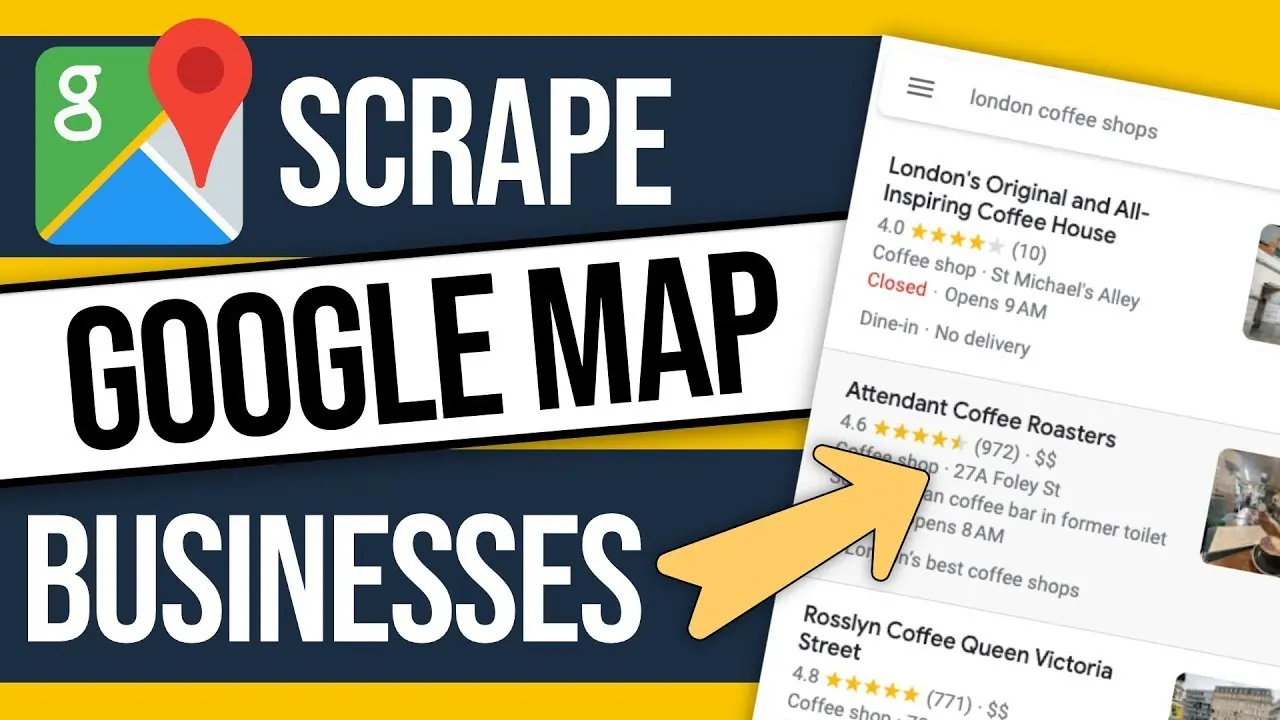
The Google Map Data Scraper is a specialized tool designed to extract valuable business information from Google Maps. For companies looking to build or expand their sales pipeline, this tool offers access to a wealth of prospects across various industries. By efficiently scraping data such as business names, addresses, phone numbers, and ratings from Google Maps listings, companies can create an extensive database of potential clientele that can fuel their marketing efforts.
In recent years, the demand for effective lead generation tools like the Google Map Lead Scraper has surged, highlighting their importance in tapping into local markets and reaching the ideal customers. Whether you run a small local business or a large corporation, having the right leads is crucial to driving growth and ensuring long-term success.
Why Use Google Map Data Scrapers for Your Business?
1. Targeted Lead Generation
One of the most significant advantages of using a Google Map data extractor is the ability to generate highly targeted leads. By filtering searches based on specific criteria—such as location, industry, or customer ratings—you can pinpoint businesses that fit your target audience. This fine-tuned approach is especially beneficial for industries that rely on local clientele, such as restaurants, retail, or service providers.
For instance, if you operate a marketing agency, you can scrape Google Maps for businesses in your area that have not yet established a strong online presence. This allows you to identify potential clients who could benefit from your services while also maximizing your outreach efforts.
2. Efficiency and Time-Saving
Manual data collection can be tedious and time-consuming, often taking valuable resources away from other critical business activities. A Google Map Lead Scraper automates the data extraction process, enabling you to gather large volumes of information in a fraction of the time it would take to do manually. This increased efficiency allows your team to focus on closing deals and nurturing leads, rather than being bogged down with data entry tasks.
3. Up-to-Date Information
Information availability is crucial for effective sales strategy formulation. Google Maps is frequently updated with new business listings, changes in contact information, and customer reviews. By employing a data scraper, you ensure that you are working with the most current information available. This not only reduces the risk of reaching out to outdated or incorrect leads but also helps maintain your reputation as a reliable business resource.
4. Informed Decision-Making
With the accurate data provided by Google Map data scrapers, businesses can make informed decisions regarding their sales strategies. Trends in customer behavior, popular products or services, and competitive analysis become readily available through the data you extract. By analyzing this information, you can craft tailored marketing campaigns that resonate with your audience.
Practical Steps to Utilize a Google Map Lead Scraper
Having established the benefits of using a Google Map data scraper, let’s discuss actionable steps to harness its potential for your business.
Step 1: Determine Your Target Market
Before diving into the scraping process, outline your ideal customer profile. Consider factors such as industry, geographical location, business size, and customer ratings. Clearly defining your target market will streamline your data scraping efforts, ensuring that you focus on businesses most likely to convert.
Step 2: Choose the Right Tool
Investing in a high-quality Google Map Lead Scraper tool, such as the one offered by Kevi Rite, is essential. The right tool should allow you to easily extract data with customizable search features, user-friendly interfaces, and support for bulk data scraping. Explore Kevi Rite for advanced features and seamless operation.
Step 3: Execute Your Data Scraping
Once you have your tool and target market defined, initiate the data scraping process. Input your location and industry preferences into the scraper, and let it run. Most tools will return a comprehensive list of businesses along with their contact details, which you can then export into your CRM system or spreadsheet.
Step 4: Validate and Organize Data
While a data scraper offers a wealth of information, ensure its quality by validating the data collected. Double-check phone numbers and addresses to avoid any inaccuracies. Organize the data into manageable sections that allow for easy access to contact details for follow-ups.
Step 5: Nurture and Convert Leads
With your targeted list in hand, it’s time to initiate contact. Implement personalized outreach strategies, such as tailored emails or direct calls, highlighting how your products or services can greatly benefit the potential client. Continuously track your outreach efforts and opportunities to refine your approach based on response rates.
Challenges When Using Google Map Data Scrapers
It’s essential to acknowledge that, like any technological tool, Google Map data scrapers come with their own set of challenges. Some common issues include:
1. Data Quality Concerns
While Google Maps provides a vast amount of information, not all entries may be accurate or relevant. Businesses may relocate or change contact details without updating their Google Maps listing. Thus, validating the extracted data is crucial before proceeding with outreach.
2. Compliance with Regulations
Data scraping, especially at scale, can sometimes raise legal questions regarding data usage regulations. Familiarize yourself with the legal landscape surrounding data scraping to ensure compliance with GDPR, CCPA, and other relevant data protection laws, depending on your jurisdiction.
3. Technology Integration
Incorporating new tools often requires adjustments in existing workflows. Ensure that your sales team is adequately trained to utilize the data scraper effectively within their processes. Integrating the tool with your CRM system can also streamline data transfer and management.
Conclusion: Elevate Your Sales Strategy with Google Map Scraping Tools
In conclusion, leveraging a Google Map Lead Scraper can offer remarkable advantages in enriching your sales pipeline. By automating lead generation, providing up-to-date information, and enabling informed decision-making, businesses can enhance their sales outreach and drive profitability.
As the demand for efficient data scraping tools continues to grow, staying ahead of the curve is more critical than ever. Invest in the right Google Map data scraping solution to gain an edge over competitors. To explore how Kevi Rite can empower your sales strategy and simplify your lead generation process, visit our website: Kevi Rite.
Don’t forget to check out our YouTube channel for insightful tips and tutorials at Kevi Rite Official YouTube Channel.
Call to Action: Are you ready to ignite your sales pipeline with targeted leads? Discover our powerful Google Map Lead Scraper today! Reach out to our team for more information or to schedule a demo. Let’s transform how you connect with your next great customer!
FAQ
What is a Google Map Data Scraper?
A Google Map Data Scraper is a specialized tool designed to extract business information from Google Maps, enabling businesses to gather leads efficiently.
How do I use a Google Map Data Scraper?
To use a Google Map Data Scraper, define your target market, choose a suitable scraping tool, execute the scraping process, validate the data collected, and then nurture your leads.
Is data scraping legal?
Data scraping can raise legal questions, particularly concerning data usage regulations like GDPR and CCPA. Always ensure compliance with relevant laws before scraping data.
What should I do if the data is inaccurate?
If you find inaccuracies in the scraped data, it’s essential to validate the information against reliable sources and make corrections as needed before proceeding with outreach.
How can I integrate a data scraper into my existing workflow?
Training your team and ensuring that the data scraper integrates smoothly with your CRM system can facilitate a seamless workflow.