
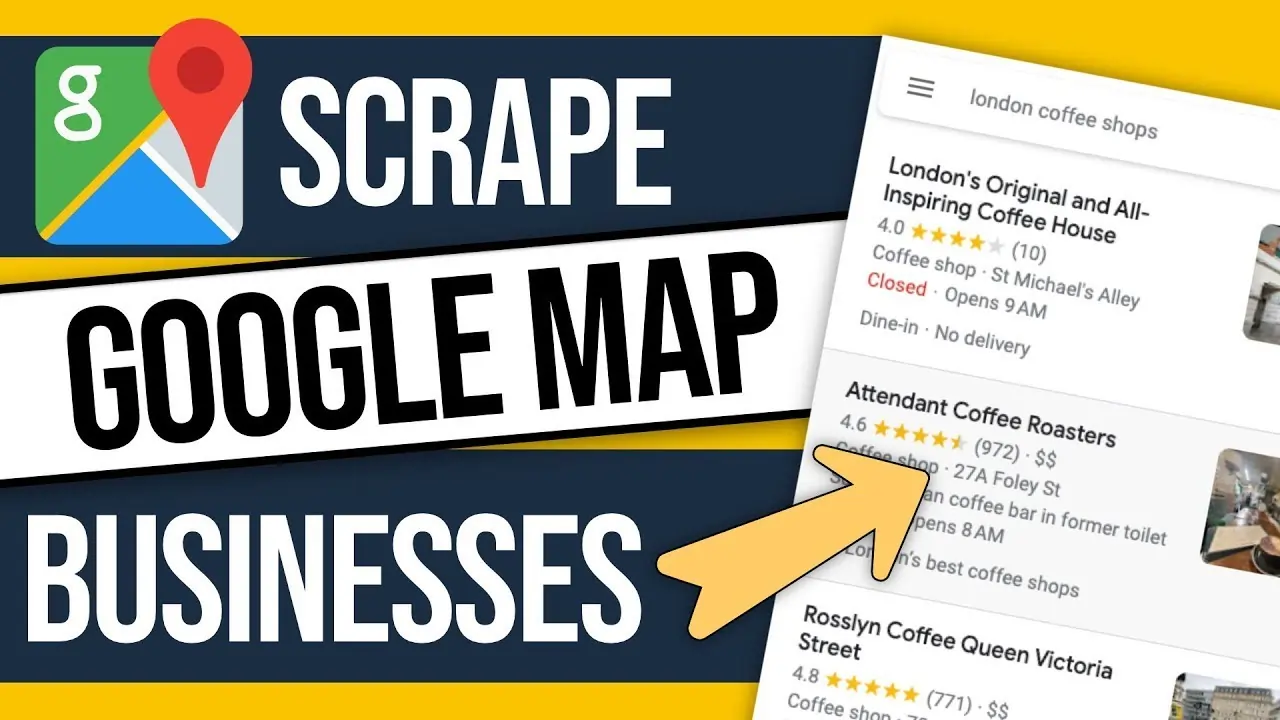
Harnessing Google Map Data Scraping for Local Marketing
The Power of Proximity Marketing with a Google Map Data Scraper
Estimated Reading Time: 6 minutes
- Proximity marketing uses location-based data for real-time engagement.
- A Google Map data scraper helps businesses gather valuable local leads.
- Implementing effective strategies can enhance customer experience and loyalty.
- Real-time and personalized offers increase conversion rates.
- Future innovations will continue to evolve proximity marketing techniques.
Understanding Proximity Marketing
Proximity marketing refers to the use of mobile technology to directly promote products or services to consumers based on their geographic location. This approach is incredibly effective for local businesses aiming to attract nearby customers. By leveraging tools like a phone number scraper or Google Map data scraper, businesses can obtain valuable information about potential leads in their vicinity.
Consider this: Being able to send targeted messages or ads to customers who are just steps away from your store can significantly increase foot traffic and boost sales. In today’s competitive market, where online and offline experiences intersect, businesses that utilize the power of proximity marketing can gain a substantial edge.
The Role of Google Map Data Scraping in Proximity Marketing
What is a Google Map Data Scraper?
A Google Map data scraper is a sophisticated tool designed to extract information from Google Maps. This technology can pull data such as business names, addresses, phone numbers, and even reviews effortlessly from the platform’s extensive database. By harnessing this data, companies can create targeted marketing campaigns that resonate with their local audience.
The Kevi Rite Google Map Lead Scraper excels in this domain, providing businesses with an easy-to-use interface that allows them to gather and organize data needed to enhance their marketing strategies. This tool not only simplifies the data collection process but also ensures that your marketing efforts are based on solid, actionable insights.
Advantages of Using a Google Map Lead Scraper for Proximity Marketing
- Targeted Lead Generation: Utilizing a Google Map data scraper allows businesses to identify leads that are most relevant to their target audience. By collecting geolocation data, companies can send personalized offers and promotions to potential customers located nearby.
- Informed Decision-Making: With access to comprehensive data, businesses gain valuable insights into customer behavior and preferences. This intelligence allows for strategic marketing decisions that can elevate a brand’s visibility and engagement.
- Enhanced Customer Engagement: Proximity marketing can bring a unique experience to consumers by delivering relevant offers at the right moment. This enhances overall customer engagement, leading to higher conversion rates and customer loyalty.
- Cost-Effectiveness: Compared to traditional advertising methods, proximity marketing through a Google Map lead scraper is significantly less expensive. It allows businesses to allocate their marketing budgets more efficiently while targeting their advertising efforts more precisely.
Key Components of an Effective Proximity Marketing Strategy
When implementing a proximity marketing strategy, several components can maximize its efficacy. Here are practical takeaways that businesses should consider:
1. Evaluate Your Target Audience
Understanding your audience is key. Use the Google Map data scraper to gather information on potential customers, such as demographics and behavior patterns. This data will refine your marketing strategies and tailor your messages to resonate with the right individuals.
2. Leverage Geofencing
Geofencing employs GPS or RFID technology to create a virtual boundary around a specific location. By integrating geofencing into your marketing campaigns, businesses can engage customers when they enter a predefined area. The Google Map lead scraper can facilitate the identification of zones where your target audience frequently visits.
3. Use Real-Time Data
Timeliness is crucial in proximity marketing. Utilize the latest data from your Google Map data scraper to tailor offers that reflect current trends or events happening in the area. Real-time data ensures your marketing message is relevant and impactful.
4. Personalize Your Offers
Not all customers are the same. Use the information garnered from your phone number scraper and Google Map data scraper to tailor personalized offers based on each customer’s past interactions with your brand. Such personalization fosters customer loyalty and increases conversion rates.
5. Track Performance Metrics
Every marketing campaign should include a method for measuring success. Look at key performance indicators such as foot traffic, conversion rates, and customer engagement levels to analyze the effectiveness of your proximity marketing strategy. Adjust your approach accordingly based on these metrics for optimizing future campaigns.
Real-World Applications of Proximity Marketing
To better understand the potential of proximity marketing through Google Map data scraping, let’s look at some real-world applications.
Retail
Many retail businesses are utilizing proximity marketing to boost customer engagement. For instance, clothing stores can send notifications about discounts to customers who approach the store vicinity. By using a Google Map lead scraper, retailers can monitor foot traffic patterns and send the right offers when customers are most likely to enter.
Food and Beverage
Restaurants can capitalize on proximity marketing by sending special deals or limited-time offers to customers nearby. Coffee shops can notify people who tend to frequent their location every morning about a new beverage or a buy-one-get-one-free promotion. These strategies not only facilitate immediate sales but also keep customers coming back.
Events and Local Services
Events can significantly benefit from proximity marketing, especially when there are various attractions within a specific geographic area. Organizers can utilize a Google Map data scraper to connect with potential attendees, offering personalized invitations or discounts to boost participation rates. Local service providers like beauty salons or fitness centers can promote exclusive offers to attract walk-in clients.
Challenges in Proximity Marketing
While the benefits of proximity marketing through a Google Map lead scraper are numerous, businesses may also encounter challenges. Here are some common obstacles and how to navigate them:
- Data Privacy Regulations: As consumer privacy becomes increasingly important, businesses must navigate the complexities of obtaining and utilizing data legally. Be transparent about how you collect and use information from your Google Map lead scraper and ensure compliance with regulations such as GDPR.
- Technology Integration: Successfully executing a proximity marketing campaign involves integrating various technologies. Ensure your systems are equipped to handle incoming data and analyze it efficiently, which may require investment in new infrastructure or staff training.
- Message Relevance: Sending too many notifications can lead to customer fatigue and potential disengagement. Craft your messages thoughtfully, ensuring they provide value and contribute to a seamless customer experience.
The Future of Proximity Marketing
As technology continues to advance, the future of proximity marketing looks promising. Innovations such as augmented reality (AR) and artificial intelligence (AI) are set to further enhance proximity marketing efforts. By merging these emerging technologies with the seamless data extraction capabilities of tools like a Google Map data scraper, businesses can engage consumers in even more compelling and personalized ways.
Moreover, as consumers continue to embrace mobile and location-based services, the effectiveness of proximity marketing will only increase, presenting businesses with unparalleled opportunities for growth and connection.
Conclusion
In conclusion, the power of proximity marketing through a Google Map lead scraper is undeniable. Businesses that embrace this approach can significantly enhance their local marketing efforts, driving foot traffic, boosting sales, and building lasting customer relationships. By leveraging targeted data, personalizing customer experiences, and measuring performance effectively, companies can harness the full potential of this innovative marketing strategy.
If you’re looking for a reliable and efficient Google Map data scraper, explore Kevi Rite’s services at kevirite.com. Our tool is designed to simplify data extraction, allowing you to focus on what matters most – connecting with your customers. For more insights and updates, don’t forget to check out our YouTube channel at Kevi Rite Official.
FAQ
Q1: What is proximity marketing?
A1: Proximity marketing uses location-based data to send targeted promotions to consumers in a specific area.
Q2: How does a Google Map data scraper work?
A2: A Google Map data scraper extracts business data such as names, addresses, and contact info from Google Maps for targeted marketing.
Q3: What are the benefits of using proximity marketing?
A3: Benefits include increased foot traffic, personalized customer experiences, and cost-effective advertising.
Q4: Are there any challenges with proximity marketing?
A4: Challenges include data privacy regulations, technology integration, and message relevance to avoid customer fatigue.