
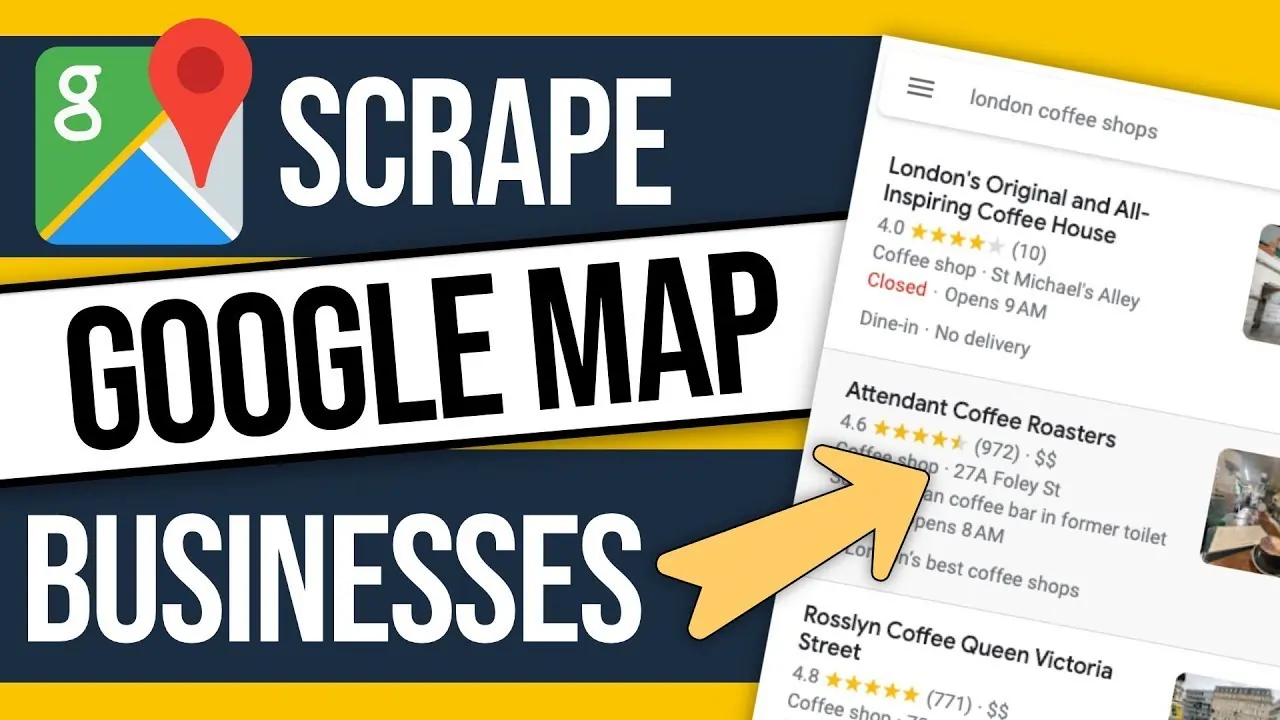
Master Location-Based Marketing with Google Map Data Scraper
Mastering the Art of Location-Based Marketing with a Google Map Data Scraper
Estimated reading time: 7 minutes
Key takeaways:
- Leverage Google Maps: Use the data to connect with local customers effectively.
- Data Scraper Features: Ensure it has comprehensive extraction, filtering options, and user-friendly interfaces.
- Overcome Challenges: Address data privacy, accuracy, and resource allocation for a successful scraping experience.
- Monitor and Adapt: Continuously evaluate marketing performance and adapt your strategies accordingly.
Table of contents:
- Understanding Location-Based Marketing
- The Role of Google Maps in Location-Based Marketing
- Features of a Google Map Data Scraper
- Overcoming Challenges in Data Scraping
- Practical Takeaways for Implementation
- Conclusion
- FAQ
Understanding Location-Based Marketing
Location-based marketing is designed to deliver targeted advertisements to consumers based on their geographic location. Whether it’s through local search results, mobile ads, or social media promotions, the goal is to connect with potential customers more efficiently and effectively. According to a recent study by Google, nearly 76% of people who search for something nearby visit a business within a day. This statistic underscores the importance of harnessing location data to meet consumers where they are.
The Role of Google Maps in Location-Based Marketing
Google Maps remains one of the most comprehensive resources for local business information. From finding restaurants to service providers, users rely on this platform for their everyday needs. Businesses can leverage the information captured in Google Maps to stay competitive in their local markets.
A Google Map Data Scraper is designed to extract this valuable data quickly and efficiently, allowing organizations to:
- Identify potential leads: Use the scraped data to build a list of potential customers or clients in targeted locations or industries.
- Analyze market trends: Gain insights into local competitors and consumer behaviors based on their locations.
- Tailor marketing strategies: Utilize specific demographic and behavioral data to create marketing campaigns that resonate with your audience.
Features of a Google Map Data Scraper
To effectively tap into location-based marketing, it’s crucial to utilize a high-quality Google Map data scraper. Here are some essential features that are vital for your data extraction needs:
1. Comprehensive Data Extraction
A robust Google Map Data Scraper can extract more than just names and addresses. In addition to essential contact details like phone numbers, it can also capture information about operating hours, customer reviews, and even website URLs. This comprehensive data profile ensures that your marketing efforts are targeted and well-informed.
2. Advanced Filtering Options
Different sectors require different data sets. Look for scrapers that offer advanced filtering options to target specific industries, locations, or types of businesses. This functionality is essential for businesses looking to refine their marketing strategy and improve conversion rates.
3. User-Friendly Interface
The tool should be easy to use, enabling your team to begin extracting the necessary data without extensive training. A simple interface with tutorial resources can significantly streamline the learning curve, allowing your team to focus on analytics and strategy development rather than the mechanics of data scraping.
4. Regular Updates
As the data landscape evolves, so should your data scraper. A good tool should ensure that the data being pulled from Google Maps is up-to-date. Frequent updates to the software can help you stay current with new business openings, closures, and changes in business information.
5. Export Options
Finally, ensure that your Google Map Data Scraper offers multiple export options (CSV, XLSX, etc.) so that you can easily integrate the data into your existing marketing tools and CRM systems.
Overcoming Challenges in Data Scraping
While the benefits of using a Google Map Data Scraper for location-based marketing are evident, businesses may face several challenges along the way. Here are some common hurdles and how to overcome them:
1. Data Privacy Regulations
As businesses prioritize data privacy, regulations such as GDPR have made data scraping more complex. It’s imperative to understand these regulations to ensure your data collection methods comply while adhering to ethical scraping practices.
2. Accuracy and Completeness of Data
Quality is more important than quantity. Scraping vast amounts of data with inaccuracies can hinder your marketing efforts. Make sure to leverage scrapers that have built-in data validation features to ensure the veracity of the data you collect.
3. Resource Allocation
Data scraping can consume valuable time and resources. Businesses should allocate sufficient capabilities for data extraction while ensuring the quality of data analysis and strategy development isn’t compromised. Consider specialized services or software that can automate these processes for efficiency.
4. Continuous Learning and Adaptation
The landscape of digital marketing and data scraping tools is continually evolving. Business leaders should stay informed about the latest developments in both technology and consumer behavior to adapt strategies accordingly.
Practical Takeaways for Implementation
Leveraging a Google Map Data Scraper for your location-based marketing efforts can provide significant value. Here are some actionable steps to consider:
- Define Your Target Audience: Before scraping, clearly define who you are trying to reach. Are they local customers, businesses in specific industries, or both? This clarity will guide your data extraction strategies.
- Choose the Right Tools: Consider the features mentioned above when selecting your Google Map Data Scraper. Evaluate multiple options, read reviews, and even explore free trials to find the tool that meets your needs best.
- Integrate with Existing Systems: Make sure that the scraped data can be easily integrated into your CRM and marketing platforms. A seamless data flow will facilitate analysis and campaign execution.
- Monitor Your Results: Once you launch your location-based marketing campaigns, be vigilant about measuring performance. Use analytical tools to gauge the effectiveness of your outreach and refine your strategies accordingly.
- Educate Your Team: Invest in training to ensure your team is proficient with the data scraping tool you’ve chosen. Workshops and resources can equip them with the skills needed to enhance your marketing strategy effectively.
Conclusion
Mastering the art of location-based marketing through a Google Map Data Scraper is essential for today’s competitive landscape. By understanding how to leverage the right data, businesses can create targeted and effective marketing campaigns that resonate with their audiences.
If you’re interested in transforming your location-based marketing strategy, explore the innovative Google Map Lead Scraper at Kevi Rite. Our state-of-the-art tool is specifically designed to help businesses like yours extract and analyze critical data efficiently.
Also, don’t forget to check out our resourceful content on our YouTube channel at Kevi Rite Official for tips and insights into maximizing your data scraping capabilities. Take the first step in revolutionizing your marketing strategy today! Contact us for more information, and let’s unlock the potential of location-based marketing together.
FAQ
What is a Google Map Data Scraper?
A Google Map Data Scraper is a tool designed to extract valuable business information such as names, addresses, and contact details from Google Maps efficiently.
How can location-based marketing benefit my business?
Location-based marketing allows businesses to target potential customers based on their geographic location, leading to higher engagement and conversion rates.
Are there any legal considerations when scraping data?
Yes, businesses must comply with data privacy regulations such as GDPR and ensure that their scraping practices adhere to legal and ethical standards.
What features should I look for in a data scraper?
Look for comprehensive data extraction capabilities, advanced filtering options, a user-friendly interface, regular updates, and multiple export options.
How do I ensure the accuracy of the data collected?
Choose scrapers with built-in data validation features to maintain the accuracy and completeness of the scraped data.