Understanding Google Map Data Scrapers for Business
Demystifying the Google Map Data Scraper: A Comprehensive Overview
Estimated Reading Time: 5 minutes
- Enhanced Lead Generation: Quickly identify potential customers.
- Competitor Analysis: Gain insights into competitors’ offerings.
- Cost-Effectiveness: Save on manual data entry costs.
- Targeted Marketing: Personalize outreach based on gathered data.
Table of Contents
- What is a Google Map Data Scraper?
- Why Businesses Need Google Map Data Scrapers
- Practical Takeaways for Effective Data Scraping
- Challenges in Using Google Map Data Scrapers
- Positioning Kevi Rite as Your Go-To Solution
- Conclusion
- FAQ
What is a Google Map Data Scraper?
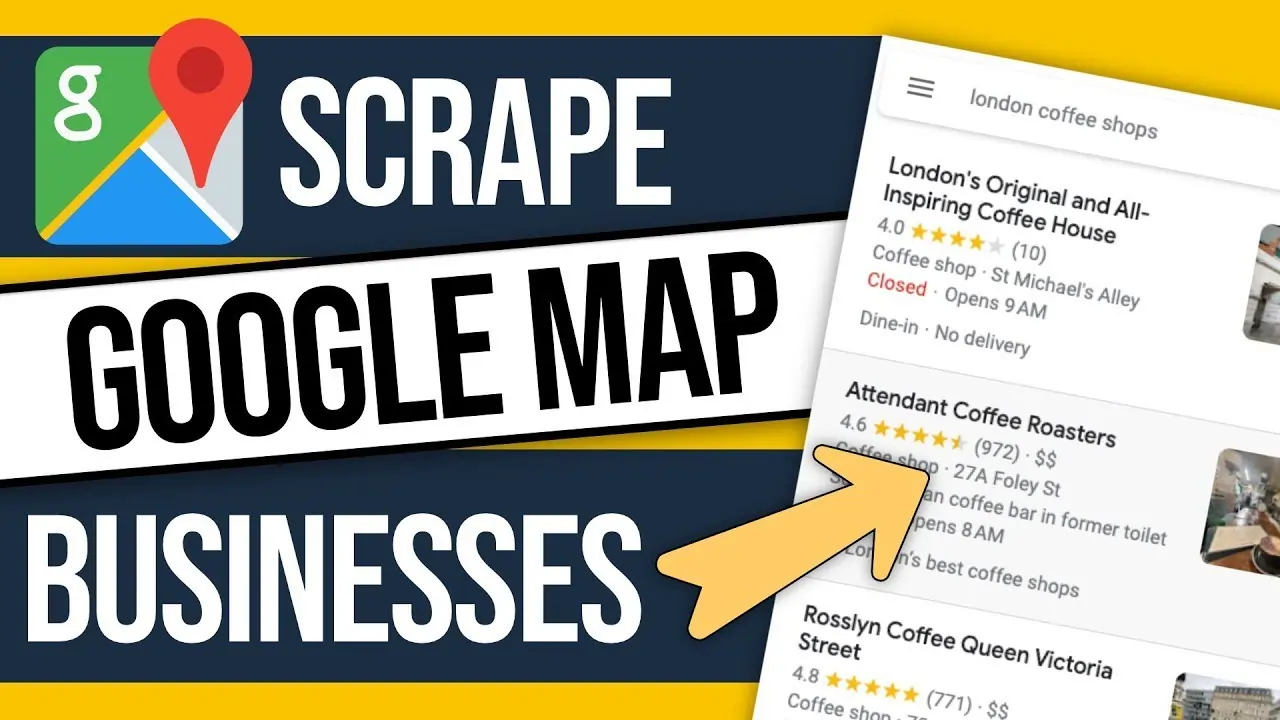
A Google Map Data Scraper is a tool designed to extract and compile data from Google Maps, the world’s most comprehensive mapping service. This includes necessary information such as business names, addresses, phone numbers, reviews, and other contact details. By utilizing a data scraper, users can automate the extraction process, saving significant time and effort compared to manual searching.
Kevi Rite’s Google Map Lead Scraper is a powerful solution enabling businesses to seamlessly extract critical lead information from Google Maps. It allows users to collect data relevant to their industry, providing a steady stream of actionable insights for targeted marketing campaigns.
Why Businesses Need Google Map Data Scrapers
1. Enhanced Lead Generation
The primary benefit of using a Google Map Data Scraper is enhanced lead generation. Businesses can quickly identify potential clients or customers in their geographical area or targeted market by extracting relevant leads. This significantly reduces the time and effort needed to compile lists manually, ensuring that businesses can focus on nurturing relationships and closing sales.
2. Competitor Analysis
Apart from prospecting, these scrapers offer valuable insights into competitors operating within specific regions. Users can analyze competitor offerings, customer reviews, and engagement levels to refine their marketing strategies and product offerings. Understanding your competition gives you a strategic edge in your industry and helps in positioning your business advantageously.
3. Up-to-Date Information
The Google Map Lead Scraper ensures that the data extracted is current and accurate. With ever-changing business dynamics, the need for fresh information is paramount. Utilizing the right scraping tool allows businesses to adapt quickly to market changes, identifying trends and seizing opportunities before competitors do.
4. Cost-Effectiveness
By automating the data extraction process, businesses can save on labor costs and resources typically spent on manual data entry. A Google Map Data Scraper can deliver high-quality data with minimal expenditure, making it an attractive solution for businesses of all sizes.
5. Targeted Marketing
The information gathered through Google Map data scraping allows businesses to craft highly-targeted marketing campaigns. By understanding customer demographics and preferences, organizations can personalize their outreach efforts, thus increasing the likelihood of conversion.
Practical Takeaways for Effective Data Scraping
1. Define Clear Objectives
Before using a Google Map Data Scraper, it is vital to establish clear objectives. What type of data are you looking for? Is it phone numbers, emails, or geographical locations? Understanding your end goal will streamline the scraping process and yield more useful results.
2. Choose the Right Tool
Not all Google Map data scrapers are created equal. It’s essential to choose a reliable and efficient solution, such as the one offered by Kevi Rite, to ensure quality data extraction and to avoid potential pitfalls like gathering incorrect or outdated information.
3. Be Aware of Legal and Ethical Guidelines
While data scraping can be highly beneficial, it is crucial to respect ethical standards and legal guidelines related to data usage. Always ensure compliance with local laws and Google’s terms of service to mitigate risks associated with data collection.
4. Regularly Update Your Data
In the fast-moving business environment, maintaining up-to-date information is essential. Implement a regular schedule for data scraping to ensure that your leads are relevant and applicable to current market conditions.
5. Analyze Collected Data
Once data is scraped, it’s vital to analyze the information collected. Look for trends, insights, and opportunities that can inform your marketing strategies. The goal is not just to collect data, but to transform it into actionable insights.
Challenges in Using Google Map Data Scrapers
1. Data Quality
One of the primary concerns in data scraping is the accuracy of the information gathered. Businesses must be discerning about the source and ensure that the scraper tool they use is capable of providing clean, actionable data.
2. Legal Hurdles
While scraping data can be advantageous, it also involves navigating complex legal frameworks. Businesses must be diligent in understanding and adhering to privacy regulations to avoid legal repercussions.
3. Technical Difficulties
Using a Google Map Data Scraper may require some technical know-how. Businesses that are not technologically inclined may face challenges in implementing and utilizing these tools effectively.
4. Rate Limiting and Captchas
Google has measures in place to prevent automated scraping, which can result in rate limiting and captchas. Users of Google Map scrapers must be aware of these limitations and find ways to work within them. Using trustworthy tools like Kevi Rite’s solution can help mitigate these issues, providing a smoother scraping experience.
Positioning Kevi Rite as Your Go-To Solution
At Kevi Rite, we understand the challenges businesses face in collecting and utilizing data smartly and ethically. Our Google Map Lead Scraper is designed with the user in mind, ensuring a seamless experience in extracting precise information that drives meaningful results. With a focus on compliance, ease of use, and data accuracy, we position ourselves as industry leaders in this domain.
Our easy-to-use tool allows you to extract phone numbers, addresses, reviews, and more, giving you everything you need to propel your marketing campaigns effectively. Whether you’re a small business or a large enterprise, our scraper helps you harness the power of Google Maps data to enhance your lead generation efforts.
To learn more about how our tool can revolutionize your lead generation strategy, visit us at kevirite.com or check out our tutorials and tips on YouTube.
Conclusion
In conclusion, understanding and utilizing a Google Map Data Scraper can significantly enhance your business’s lead generation and marketing efforts. By automating the data collection process, you can save time, reduce costs, and gain insights that inform better decision-making. While challenges exist, they can be navigated with the right knowledge and tools at your disposal.
Kevi Rite is committed to helping you overcome these obstacles while providing essential data-driven solutions for your business needs. Empower your business today with our Google Map Data Scraper and take the first step towards efficient, effective marketing.
Contact us for more information or to get started. Together, let’s unlock the potential of data scraping for your business success!
FAQ
What is data scraping?
Data scraping is the process of extracting information from websites or online services to utilize it for various purposes, such as analysis or marketing.
Is Google Map data scraping legal?
The legality of data scraping can vary based on local laws and the terms of service of the website being scraped. It’s important to ensure compliance with relevant regulations.
How can I use the data scraped?
The data scraped can be used for various purposes, including lead generation, market analysis, and targeted marketing campaigns.
Who is Kevi Rite’s target audience?
Kevi Rite serves businesses of all sizes looking to enhance their marketing strategies through effective data utilization from Google Maps.
What data can I extract using Kevi Rite’s scraper?
You can extract data such as business names, addresses, phone numbers, reviews, and other relevant contact details from Google Maps.