
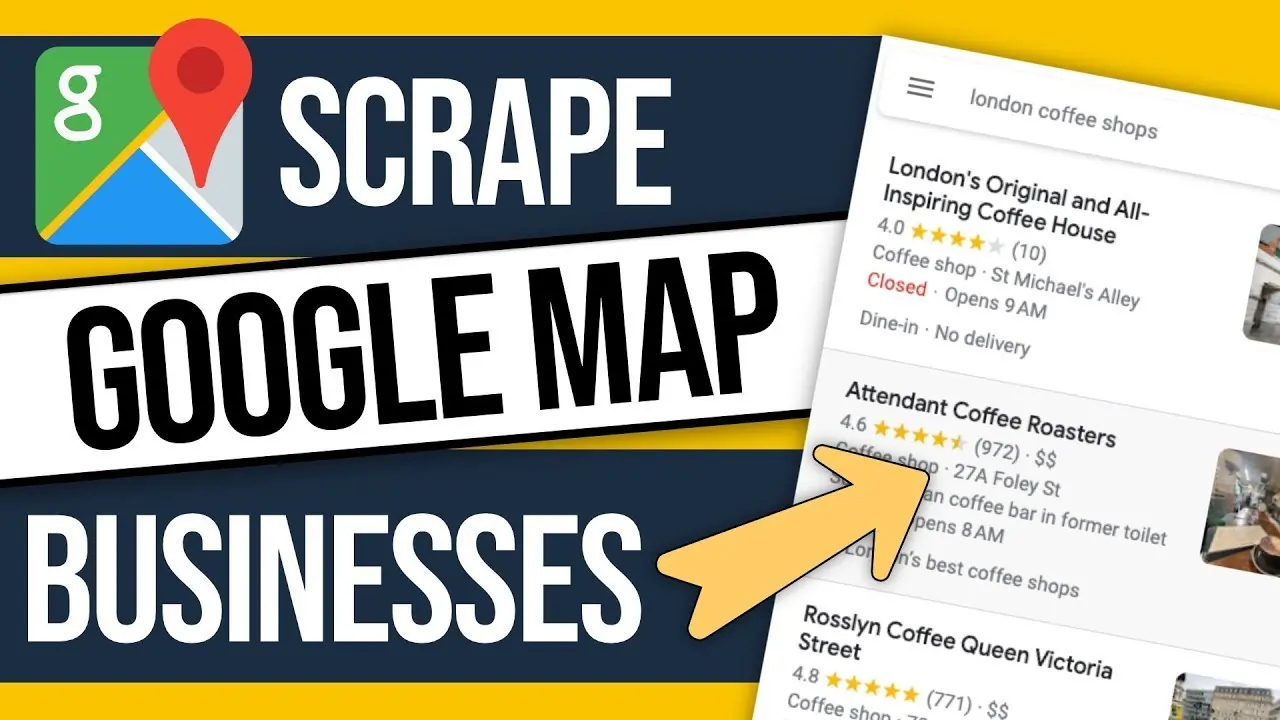
Navigating Ethical Google Map Data Scraping
The Ethical Dimensions of Utilizing a Google Map Data Scraper
Estimated reading time: 5 minutes
- Respect user privacy and adhere to data protection laws.
- Understand and comply with terms of service.
- Practice transparency in data usage.
- Focus on legitimate business interests.
- Implement responsible data handling and security measures.
Table of Contents
- Understanding Google Map Data Scrapers
- The Current Landscape of Data Scraping
- Navigating Ethical Considerations in Data Scraping
- Practical Takeaways for Ethical Data Scraping
- The Future of Ethical Data Scraping
- The Role of Kevi Rite in Ethical Data Scraping
- Call to Action
- FAQ
Understanding Google Map Data Scrapers
Before diving into the ethical considerations, it’s essential to understand what a Google Map data scraper is. This tool allows users to extract valuable data from Google Maps, including business names, addresses, phone numbers, and reviews. For businesses seeking local leads, a phone number scraper can provide immediate access to contact information and help engage potential customers.
However, while these tools are invaluable for lead generation, their use must be underpinned by a solid ethical framework. In a digital age where data privacy is paramount, distinguishing between legitimate data collection and intrusive scraping practices is necessary.
The Current Landscape of Data Scraping
Data scraping tools, particularly those focused on Google Maps, have seen a significant rise in usage across various industries. With businesses increasingly understanding the importance of local marketing, the demand for effective lead generation tools has surged. As reported by recent market studies, data scraping plays a crucial role in enhancing customer engagement, optimizing marketing strategies, and improving sales outcomes.
However, this rise in popularity does not come without challenges. The ongoing debate about data privacy and ethical utilization of scraping techniques adds a layer of complexity. Business leaders must be aware of the legal boundaries and ethical considerations involved in using a Google Map data scraper, especially when they extract personally identifiable information (PII) or business data without consent.
Navigating Ethical Considerations in Data Scraping
As a business leader, using tools such as a Google Map data scraper presents unique challenges. Here are some of the principal ethical dimensions to consider:
1. Respecting User Privacy
One of the most important elements of ethical data scraping is ensuring the privacy of users and businesses. When utilizing a phone number scraper, for instance, it is vital to avoid collecting unnecessary PII. Ensure that your scraping practices comply with local data protection laws, such as the GDPR in Europe or CCPA in California, which govern how data may be collected, stored, and used.
2. Adhering to Terms of Service
Google has specific terms of service that govern the use of its Maps platform. Ignoring these terms can lead to legal repercussions and damage a business’s reputation. Always familiarize yourself with the relevant policies and guidelines before using any scraping tools. Violation of these terms could result in access being blocked or limits placed on your account.
3. Transparency in Data Use
Transparency is a crucial aspect of ethical data handling. Businesses should be clear with their customers on how data will be used and should seek consent wherever possible. Communicating openly with potential customers not only upholds ethical standards but also fosters trust in your brand.
4. Focus on Legitimate Business Interests
Utilizing a Google Map data scraper should aim to serve legitimate business interests. Gathering data solely for spamming purposes or other malicious intents is unethical and can harm the company’s reputation. Instead, focus on building valuable relationships and providing solutions to your audience’s problems.
5. Responsible Data Handling and Security
Once data is collected, it is essential to protect it adequately. Employ robust security measures to safeguard the information, and establish protocols for data retention and deletion. Ethical practices include minimizing the data collected and only keeping what is necessary for your business operations.
Practical Takeaways for Ethical Data Scraping
Equipped with an understanding of the ethical dimensions of using a Google Map data scraper, here are some practical takeaways for business leaders:
- Conduct Regular Audits: Regularly audit your scraping practices to ensure compliance with legal and ethical standards. Keep documentation to track data sources, usage, and consent.
- Establish Clear Policies: Develop clear internal policies for data scraping that align with ethical guidelines and adhere to regulatory requirements. Train your team on these policies to ensure everyone is on the same page.
- Utilize Reputable Tools: Invest in reliable and reputed data scraping tools, such as the Kevi Rite Google Map Lead Scraper, which is designed to enable responsible data collection practices.
- Communicate with Transparency: Clearly communicate your data practices to stakeholders and customers. Building an informed customer base promotes trust and integrity.
- Prioritize Quality Over Quantity: Instead of focusing solely on large volumes of extracted data, prioritize quality insights that can lead to meaningful engagement with potential customers.
The Future of Ethical Data Scraping
As technology advances and data privacy concerns heighten, the conversation around the ethics of data scraping will only grow. Businesses that prioritize ethical practices are more likely to build lasting relationships with customers and enjoy long-term success.
The landscape of local marketing continues to change, making the utilization of tools like a Google Map data scraper relevant and beneficial. However, as we leverage these tools, we must remain vigilant of the ethical dimensions involved.
The Role of Kevi Rite in Ethical Data Scraping
At Kevi Rite, we understand the delicate balance of effectively utilizing a Google Map data scraper while maintaining ethical practices. Our tool is designed to help businesses extract valuable leads while ensuring compliance with industry standards. By choosing Kevi Rite, you align yourself with a provider that emphasizes ethical and responsible data gathering.
Call to Action
If you’re looking to streamline your lead generation efforts with a Google Map data scraper while adhering to ethical guidelines, explore our services today at Kevi Rite. Our advanced scraper can enhance your business operations while ensuring you navigate the complexities of data acquisition responsibly. For further insights, subscribe to our YouTube channel here.
As we continue to refine our practices in this digital age, let’s commit to ethical data scraping that respects user privacy, follows regulations, and builds trust with our clientele. Together, we can create a marketplace driven by transparent and ethical data usage.
FAQ
Q: What is a Google Map data scraper?
A: A Google Map data scraper is a tool used to extract valuable data from Google Maps, such as business names, addresses, phone numbers, and reviews.
Q: Is data scraping from Google Maps legal?
A: While data scraping can be legal, it is essential to adhere to Google’s terms of service and comply with local data protection laws to avoid legal repercussions.
Q: How can businesses ensure ethical data scraping?
A: Businesses can ensure ethical data scraping by respecting user privacy, adhering to terms of service, practicing transparency, and focusing on legitimate business interests.