Harnessing Google Map Data Scraper for Effective Prospecting
The Future of Prospecting is Here: The Google Map Data Scraper
Estimated Reading Time: 6 minutes
- Understand the capabilities of the Google Map data scraper.
- Embrace automation to streamline data collection.
- Prioritize compliance with data privacy regulations.
- Explore industry applications to enhance competitive edge.
- Integrate data with existing systems for efficiency.
Table of Contents
- What is a Google Map Data Scraper?
- The Growing Importance of Data Scraping
- Current Trends in Google Map Data Scraping
- Industries Benefiting from Google Map Data Scraping
- Practical Takeaways for Businesses
- Conclusion
- FAQ
What is a Google Map Data Scraper?
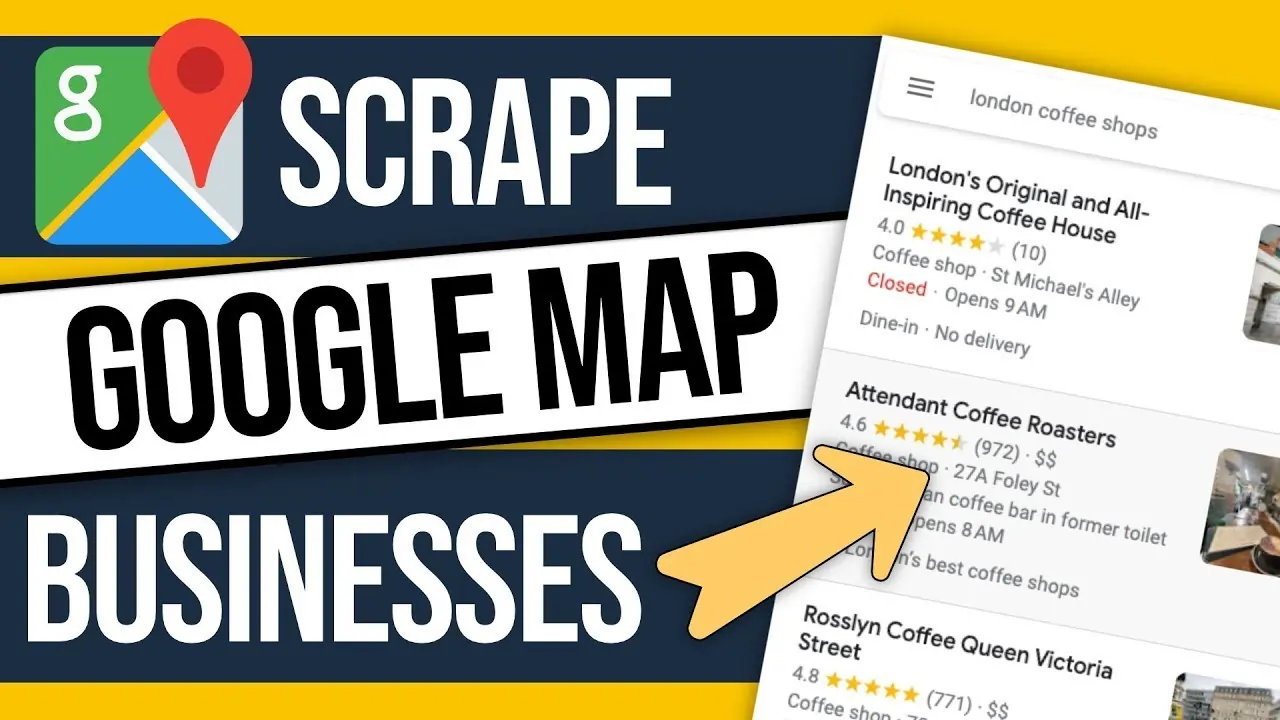
A Google Map data scraper is a tool that extracts valuable information from Google Maps. This might include business names, addresses, phone numbers, websites, and even customer reviews. By automating the data collection process, businesses can save invaluable time and resources while accessing comprehensive datasets that can drive informed decision-making. For companies involved in sales, marketing, or market research, a phone number scraper can prove particularly essential, allowing them to reach potential leads swiftly and efficiently.
The Growing Importance of Data Scraping
The evolution of online business models has highlighted the need for data-driven strategies. Companies that effectively leverage data gain insights into consumer behavior, allowing them to tailor their offerings, engage with their audiences effectively, and predict market trends. During recent years, industries ranging from real estate to hospitality have adopted data scraping techniques to identify promising leads and optimize marketing strategies.
As marketing technologies advance, the role of a data scraper becomes increasingly vital. Businesses that fail to incorporate these tools into their prospecting efforts risk losing out to competitors who optimize their outreach through refined data methodologies.
Current Trends in Google Map Data Scraping
1. Enhanced Automation
Modern Google Map data scrapers are increasingly automated, allowing users to extract vast amounts of data in a fraction of the time it would take manually. Automation tools can operate around the clock to gather fresh data or monitor specific areas of interest systematically. This immediate access to live data can help businesses stay ahead in fast-paced industries.
2. Integration with CRM Systems
Next-gen data scrapers can integrate seamlessly with Customer Relationship Management (CRM) systems. This functionality allows businesses to funnel the collected data straight into their existing workflows. As a result, sales and marketing teams can access pertinent information without delays, facilitating rapid outreach to prospects when they exhibit signs of intent or interest.
3. Focus on Compliance and Ethics
As concerns about data privacy grow, responsible data scraping has gained traction. Ethical scrapers prioritize compliance with regulations like GDPR and CCPA. Ensuring that data collection methods respect privacy protections helps maintain consumer trust and mitigates the risk of legal consequences, which can tarnish a business’s reputation.
4. Real-Time Data Updating
The dynamic nature of businesses means that information can become outdated quickly. Advanced Google Map data scrapers are now able to update data in real-time, ensuring that users always have the most accurate and relevant information at their fingertips. This capability informs better decision-making and helps maintain proactive outreach strategies.
Industries Benefiting from Google Map Data Scraping
Several industries are leveraging Google Map data scraping to enhance their operations and competitive edge:
1. Real Estate
For real estate agencies, obtaining leads on properties for sale or rent is crucial. By using a Google Map data scraper, agents can gather contact details of potential sellers or landlords in specific neighborhoods, helping them to develop targeted marketing campaigns. Additionally, they can analyze property values and trends to inform pricing strategies.
2. Hospitality
Restaurants, hotels, and event venues can utilize Google Map data scrapers to identify potential clientele and suppliers, helping them develop partnership opportunities. By collecting data on customer reviews, they can also measure their performance against other competitors and adjust their offerings accordingly.
3. Retail
Retailers can benefit from data scraping by identifying competitor locations, contacting local suppliers, or understanding demographics in specific areas. By gathering this intelligence, they can refine their marketing efforts, attract targeted customers, and determine optimal locations for expansion.
4. Health Services
Healthcare providers can utilize Google Map data scrapers to target local communities, identifying potential patients and understanding market demands. By examining business listings and customer feedback, they can tailor their services to align with community needs and preferences.
Practical Takeaways for Businesses
As businesses explore the potential of Google Map data scraping, here are some actionable recommendations:
- Identify Your Objectives: Understand the specific data you need to meet your business goals. Clarifying whether you require lead generation, competitive analysis, or location scouting will streamline the scraping process.
- Choose a Reliable Tool: Invest in a reputable Google Map data scraper, such as the Kevi Rite Google Map Lead Scraper, which offers user-friendly features and robust functionality for effective data extraction.
- Prioritize Compliance: Ensure that all data collection techniques follow relevant legal guidelines and ethical standards. Incorporating compliance into your data strategy fosters trust and longevity in business relationships.
- Integrate with Existing Systems: Make the most of your scraped data by integrating it with your CRM or other management tools. This streamlined approach facilitates faster outreach and a cohesive strategy.
- Stay Updated: The world of data scraping is rapidly evolving. Stay abreast of new developments and techniques that can enhance your data strategies and give you a competitive edge.
Conclusion
As we step into the future of prospecting, the significance of tools like the Google Map data scraper cannot be understated. The ability to access and extract vital information from one of the most comprehensive databases—the Google Maps platform—opens up a world of opportunities for businesses across various industries. Embracing these advancements will not only optimize prospecting efforts but also provide a significant edge in operational efficiency.
By utilizing the capabilities of a reliable Google Map data scraper and implementing best practices, businesses can harness the power of data to drive growth, enhance engagement, and achieve marketing success. Are you ready to revolutionize your outreach efforts?
To learn more about how the Kevi Rite Google Map Lead Scraper can aid your business, explore our services at Kevi Rite or contact our team for more information. Don’t forget to follow our YouTube channel for updates and practical tips on maximizing your data scraping efforts: Kevi Rite Official YouTube.
The future of prospecting is here—are you ready to seize the advantage?
FAQ
What is a Google Map data scraper used for?
A Google Map data scraper is used to extract information such as business names, addresses, phone numbers, and reviews from Google Maps, helping businesses in lead generation and marketing.
Is data scraping legal?
Data scraping legality can depend on regional laws and the specific data being scraped. It is important to follow regulations like GDPR and CCPA and prioritize ethical scraping methods.
How can I integrate scraped data with my CRM?
Many modern data scrapers offer direct integration with popular CRM systems, allowing you to import data smoothly into your existing workflows.
Which industries benefit most from Google Map data scraping?
Industries including real estate, hospitality, retail, and health services particularly benefit from Google Map data scraping in lead generation, competitor analysis, and market understanding.
What are the key considerations for using a Google Map data scraper?
Key considerations include identifying clear objectives, choosing a reliable tool, ensuring compliance with data privacy laws, integrating with existing systems, and staying updated on industry trends.