
Discover Local Niches with Google Map Data Scrapers
Discovering Local Niches Through a Sophisticated Google Map Data Scraper
Estimated reading time: 6 minutes
- Granular data extraction for local businesses
- Identify market trends and competitor analysis
- User-friendly scraping process with real-time data
- Integrating technology for effective local market insights
Table of Contents
- The Growing Importance of Local Market Insights
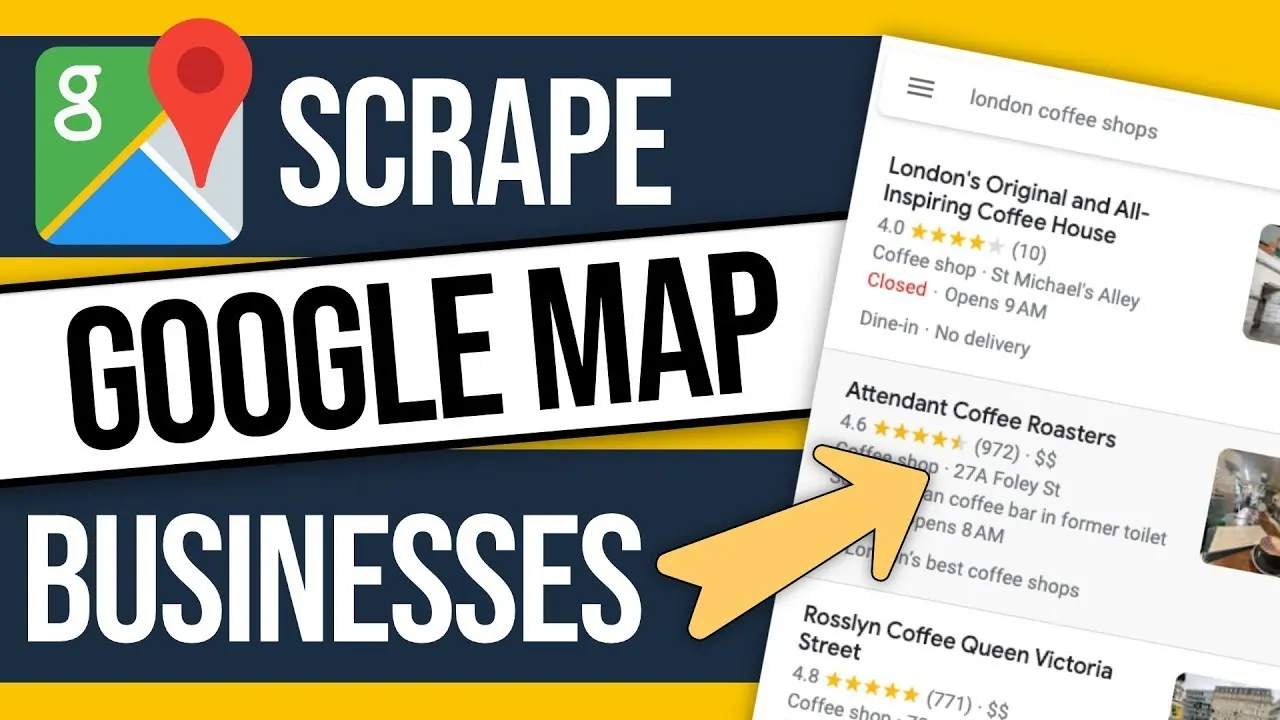
- What is a Google Map Data Scraper?
- The Process of Scraping Local Niches with Kevi Rite
- Practical Case Studies
- Challenges and Ethical Considerations
- Future Trends in Lead Scraping Technology
- Conclusion: Embrace the Power of Data
- Call to Action
- FAQ
The Growing Importance of Local Market Insights
Local market insights empower businesses to tailor their services, ensuring they meet the specific needs of the community. As consumer preferences shift and evolve, relying on broad, generic data simply won’t cut it. Companies must develop strategies rooted in detailed local knowledge. Google Map data scrapers, like those offered by Kevi Rite, provide invaluable access to essential information about local businesses, customer behaviors, and emerging trends.
Key Advantages of Utilizing Google Map Data Scrapers:
- Granular Data Extraction: Gain access to thorough business listings, contact details, and operational hours for local businesses.
- Market Trend Identification: Follow patterns to uncover growing sectors within specific neighborhoods.
- Competitor Analysis: Understanding your competition down to the local level lets you position your offerings more strategically.
What is a Google Map Data Scraper?
A Google Map Data Scraper is a tool specifically designed to extract data from Google Maps. This can include information such as business names, addresses, phone numbers, and even user reviews. For businesses, having the ability to systematically gather this data can lead to better decision-making and more effective marketing strategies.
The Process of Scraping Local Niches with Kevi Rite
Utilizing Kevi Rite’s Google Map Data Scraper involves a straightforward process that leverages the power of location-based data to unveil valuable insights. Here’s how you can utilize this tool effectively:
Step 1: Identify Your Target Location
Begin by determining the geographic area you want to explore. Is it a city, a neighborhood, or perhaps a specific street? Focused attention on a localized area allows for more nuanced insights.
Step 2: Define Your Criteria
What specific data do you want to extract? Are you looking for businesses in a particular sector, or perhaps aiming to find potential partners? Being clear about your goals helps streamline your data extraction process.
Step 3: Execute the Scrape
With Kevi Rite’s user-friendly interface, you simply input your criteria and initiate the scraping process. The tool works efficiently to collect the information you need.
Step 4: Analyze the Data
Once you have scraped the data, it’s time for the analysis. Look for patterns or opportunities that align with your business objectives. Are there underserved markets? Are there popular services with limited providers?
Step 5: Strategic Implementation
Turn your findings into actions. Whether it’s focused marketing campaigns, establishing partnerships, or expanding product offerings, the results of your local niche analysis provide a clear path forward.
Practical Case Studies
To illustrate the impact of these techniques, let’s look at a few hypothetical companies that successfully utilized a Google Map Data Scraper to discover local niches.
Case Study 1: A New Coffee Shop
Imagine a new coffee shop entering a bustling metropolitan area. Utilizing a Google Map Data Scraper, they extracted data on existing coffee shops within a five-mile radius. By examining this information, they uncovered a neighborhood dominated by tea houses and tea shops. By positioning themselves as the go-to coffee destination, they filled a gap within the local market, resulting in swift popularity.
Case Study 2: Home Services Provider
A landscaping company used the scraper to gather data on residential neighborhoods with newly built homes. They discovered these areas were mainly occupied by young families. By tailoring their marketing messaging to highlight family-friendly landscaping solutions, they tapped into an emerging local niche, significantly increasing their service requests.
Challenges and Ethical Considerations
With great power comes great responsibility. Scraping data comes with several challenges and ethical considerations. It’s crucial for businesses to stay compliant with Google’s terms of services and use the data responsibly.
Common Pitfalls to Avoid:
- Ignoring Data Accuracy: Ensure you’re using updated and verified information. The best way to enhance your reputation among local businesses is to provide accurate data.
- Over-scraping: Excessive data extraction can lead to flagging by Google. Be sure to scrape thoughtfully and ethically.
- Targeting Inappropriate Niches: While new opportunities might appear tempting, ensure they align with your company’s values and mission.
Future Trends in Lead Scraping Technology
As we look towards the future, we see significant trends developing within the scraping industry. Artificial Intelligence is making strides in analyzing vast amounts of data more efficiently, allowing for advanced predictive analytics that can spot trends before they become apparent to the competition.
Additionally, geolocation technologies will continue to play a role in refining how businesses understand their surroundings. By integrating these technologies with a Google Map Data Scraper, businesses can obtain not just static data, but dynamic market insights that shift and evolve in real time.
Conclusion: Embrace the Power of Data
In a world where customer preferences change rapidly, remaining informed about local niches is imperative. Utilizing a sophisticated Google Map Data Scraper, like the one from Kevi Rite, provides businesses with the necessary tools to extract valuable data and translate it into actionable insights.
Harness the power of targeted data to tailor your services and connect more meaningfully with your audience. By leveraging local knowledge, you can create a competitive advantage that positions your business as a key player in your industry.
Explore our Google Map Lead Scraper today at Kevi Rite or check out our YouTube channel for more insights and tutorials here. The right data could redefine your strategic direction—don’t miss out on the opportunities waiting in your local market!
Call to Action
Take the first step towards unlocking the potential of local data! Contact us today to learn more about our Google Map Lead Scraper and how it can transform your business insights.
Let’s work together to harness the power of local intelligence for your success!
FAQ
Q: What is a Google Map Data Scraper?
A: A Google Map Data Scraper is a tool designed to extract information from Google Maps, including business names, addresses, and reviews.
Q: How can I use the scraped data?
A: Scraped data can be used for better market analysis, targeted marketing campaigns, and identifying local business opportunities.
Q: Are there any ethical concerns while scraping?
A: Yes, it’s crucial to comply with Google’s terms of service and to manage the data responsibly.