
The Strategic Power of a Google Map Data Scraper
The Strategic Power of a Google Map Data Scraper: Unlocking Business Intelligence and Driving Growth
In today’s data-driven world, businesses are constantly seeking an edge. The ability to gather, analyze, and leverage information effectively can be the difference between stagnation and explosive growth. While many readily embrace website scraping, a powerful, yet often overlooked, resource lies within the vast and dynamic landscape of Google Maps.
Enter the Google Map Data Scraper. This isn’t just a technical tool; it’s a strategic weapon that can equip your business with unparalleled insights, streamline operations, and unlock new avenues for success. If you’re looking to understand your market better, find new customers, optimize your logistics, or simply gain a competitive advantage, then understanding the strategic power of a Google Map data scraper is essential.
What Exactly is a Google Map Data Scraper?
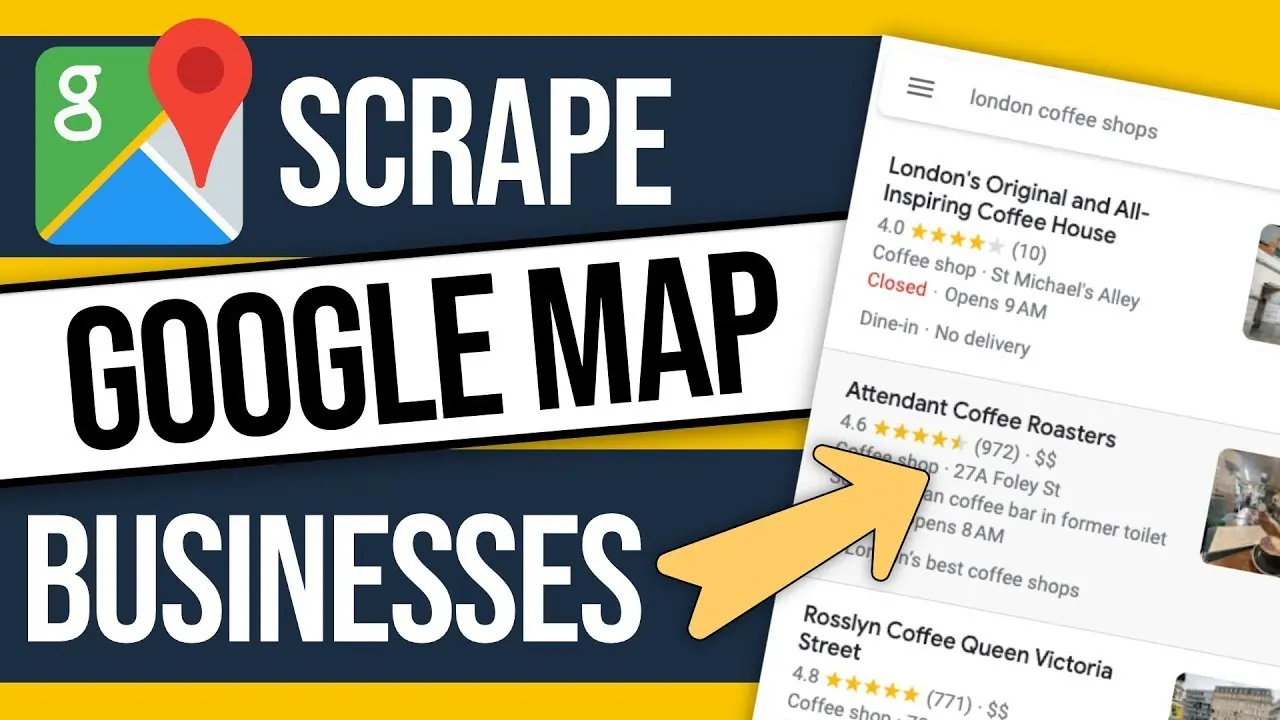
At its core, a Google Map data scraper is a software tool designed to automatically extract publicly available information from Google Maps. Think of it as a digital explorer meticulously navigating the virtual streets, collecting valuable data points that would be incredibly time-consuming and inefficient to gather manually.
This data can include a wide array of information for businesses and locations, such as:
Business Name and Category:Identifying who’s operating where and in what sector.
Contact Information:Phone numbers, website URLs, and sometimes even email addresses.
Physical Addresses and Geocoordinates:Precise location data for mapping and proximity analysis.
Customer Reviews and Ratings:Understanding public perception, sentiment, and service quality.
Opening Hours and Business Status:Real-time operational information.
Photos and Visuals:Gaining a sense of the business’s appearance and offerings.
Related Businesses and Categories:Discovering complementary or competitive entities.
The Strategic Power: Why You Should Care
The raw data itself is just the beginning. The true strategic power of a Google Map data scraper lies in how you use
this information to drive informed decisions and actionable strategies. Here’s a breakdown of its key applications:
1. Market Research and Competitive Analysis: Knowing Your Battlefield
Understanding your market is paramount to success. A Google Map data scraper offers a granular view:
Identifying Competitor Landscape:Map out all your competitors in a specific geographic area. Understand their density, their service offerings, and their distribution.
Spotting Market Gaps:Are there areas with a high demand for your product or service but a low supply of businesses offering it? This can highlight lucrative expansion opportunities.
Analyzing Customer Sentiment:Scrape reviews to understand what customers love and hate about your competitors. This provides invaluable insights for refining your own offerings and marketing messages.
Understanding Market Trends:Track the emergence of new businesses in specific categories over time to identify evolving market trends.
2. Lead Generation and Sales Prospecting: Finding Your Next Customer
For businesses focused on B2B or B2C sales, a data scraper can be a goldmine for identifying potential clients:
Targeted Lead Lists:Generate lists of businesses within a specific industry, location, or with certain characteristics that align with your ideal customer profile.
Identifying Untapped Markets:Discover businesses in areas you haven’t traditionally targeted, expanding your sales reach.
Personalized Outreach:With detailed information like business type and location, you can craft more personalized and effective sales pitches.
Understanding Business Needs:Analyzing the types of businesses in an area can hint at potential needs your products or services can fulfill.
3. Location Intelligence and Expansion Strategies: Where to Plant Your Flag
Deciding where to establish a new physical location or expand your existing presence is a critical decision. A data scraper provides the data to make this choice wisely:
Site Selection Optimization:Analyze foot traffic patterns (implied by business density and types), competitor locations, and demographic information to find the most advantageous spots.
Territory Planning:For service-based businesses, map out customer bases and optimize service territories for efficiency and accessibility.
Franchise Development:Identify promising areas for new franchise locations based on market demand and competitor presence.
4. Logistics and Operations Optimization: Streamlining Your Workflow
Efficient operations are key to profitability. Google Map data can significantly improve logistical processes:
Delivery Route Planning:While Google Maps itself does this, a scraper can help identify all potential delivery points within a given area, aiding in bulk route optimization.
Service Area Definition:Clearly define and visualize your service areas based on customer locations and operational capacity.
Supply Chain Analysis:Understand the geographic distribution of your suppliers or distributors.
Optimizing Physical Store Placement:For retailers, understanding the proximity of complementary businesses can attract more foot traffic.
5. Real Estate and Property Development: Identifying Opportunities
For those in the real estate sector, the data is invaluable:
Property Valuation Insights:Analyze the types and density of businesses and amenities in an area to inform property valuations.
Identifying Development Potential:Discover underutilized commercial spaces or areas ripe for redevelopment based on existing business landscapes.
Understanding Neighborhood Demographics:While not directly on Maps, the types of businesses present can offer clues about the neighborhood’s character and target audience.
Ethical Considerations and Best Practices
While the strategic power is immense, it’s crucial to approach Google Map data scraping responsibly and ethically.
Respect Google’s Terms of Service:Familiarize yourself with Google’s API usage policies and terms of service to avoid violating their guidelines.
Focus on Publicly Available Data:Only extract information that is readily visible to anyone browsing Google Maps. Avoid attempts to access private or protected information.
Data Anonymization (where applicable):If you are dealing with data that could potentially be linked to individuals (e.g., aggregated review data), ensure proper anonymization.
Transparency and Consent:If you plan to use scraped data for marketing outreach, ensure you are compliant with relevant data privacy regulations (e.g., GDPR, CCPA) and consider obtaining consent where necessary.
Avoid Overburdening Servers:Implement rate limiting and responsible scraping practices to avoid negatively impacting Google’s services.
Tools and Techniques for Google Map Data Scraping
There are several ways to implement Google Map data scraping:
Specialized Scraping Software:Numerous commercial and open-source tools are designed specifically for scraping websites, including Google Maps. These often offer user-friendly interfaces and advanced features.
Programming Libraries:For more technical users, libraries like Python’s `BeautifulSoup` and `Scrapy` can be used in conjunction with web scraping techniques to extract data from Google Maps.
Google Maps Platform APIs:While not strictly “scraping” in the traditional sense, Google offers APIs (like the Places API) that allow developers to programmatically access a wealth of Google Maps data. This is often the most robust and compliant method for structured data access.
The Future of Data-Driven Business: Leveraging Google Maps
In conclusion, a Google Map data scraper is far more than just a technical tool. It’s a strategic asset that empowers businesses with the crucial location intelligenceneeded to thrive in today’s competitive landscape. By understanding your market, identifying opportunities, optimizing operations, and reaching your customers more effectively, you can unlock significant growth and build a more resilient and successful business.
Start exploring the potential, and discover how the strategic power of a Google Map data scraper can revolutionize your business. The information is out there, waiting to be uncovered.