
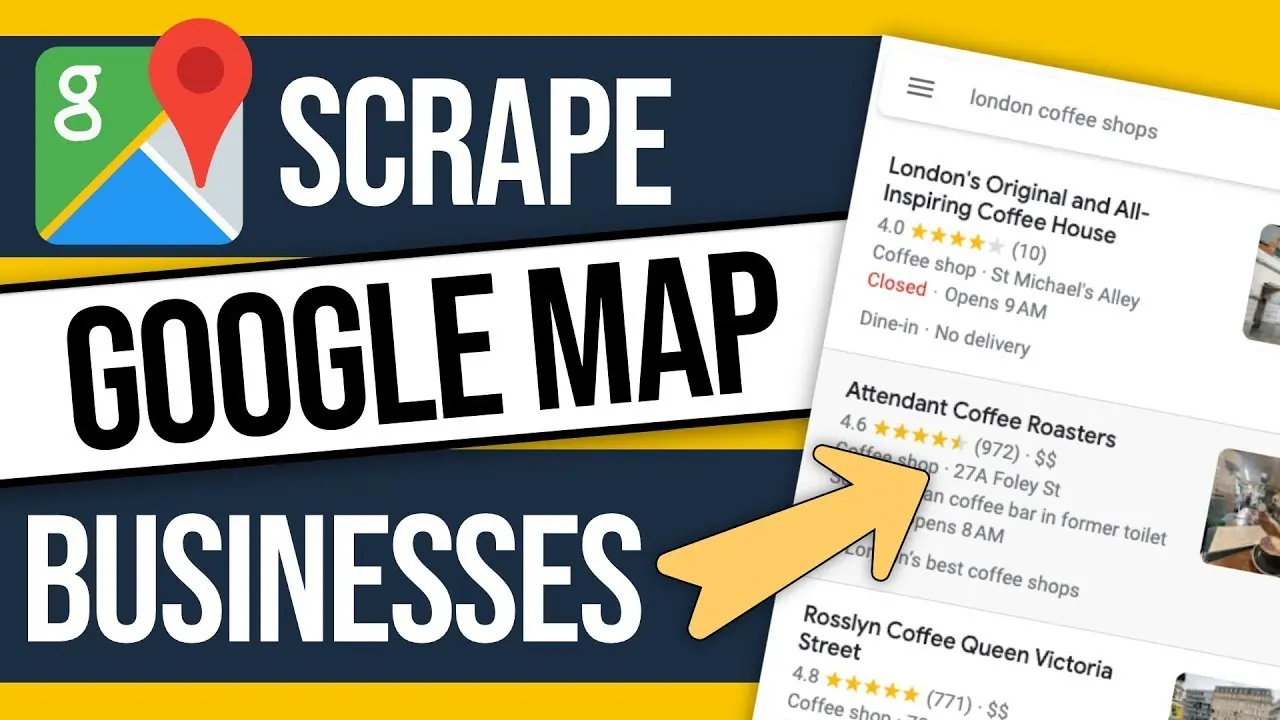
Boost Your Marketing with Google Map Data Scraper
Crafting Targeted Campaigns with a Google Map Data Scraper
Estimated reading time: 6 minutes
- Understand the importance of targeted campaigns and how to identify your audience.
- Learn how a Google Map data scraper can enhance your marketing strategies.
- Follow a step-by-step guide to create personalized marketing messages.
- Utilize practical takeaways to effectively use a Google Map data scraper.
Table of Contents
- Understanding the Importance of Targeted Campaigns
- The Role of a Google Map Data Scraper in Marketing
- Crafting Targeted Campaigns: Step-by-Step Guide
- Practical Takeaways for Using a Google Map Data Scraper
- Conclusion
- FAQ
Understanding the Importance of Targeted Campaigns
Targeted campaigns are the backbone of successful marketing strategies. By focusing efforts on specific demographics or interest groups, businesses can optimize their marketing budgets and improve conversion rates. The first step in creating an effective targeted campaign is acquiring accurate data about potential customers. This is where a phone number scraper or Google Map data scraper comes into play.
Google Maps offers an extensive database of business information, including addresses, phone numbers, operating hours, and user reviews. By leveraging this data, businesses can create highly tailored marketing campaigns that resonate with their target audience.
The Role of a Google Map Data Scraper in Marketing
A Google Map data scraper is a software tool designed to extract specific data from Google Maps. This data can include:
- Business Names
- Addresses
- Phone Numbers
- Website Links
- Customer Reviews
- Ratings
This information can help organizations build comprehensive lists of potential leads, ensuring that marketing efforts are directed toward individuals who are most likely to engage with their products or services.
Why Choose a Google Map Data Scraper?
- Efficiency: Manually gathering data from Google Maps can be time-consuming and error-prone. A data scraper automates this process, enabling users to extract large volumes of data quickly and accurately.
- Targeted Data Collection: With a robust Google Map data scraper, you can filter businesses based on location, category, ratings, and other metrics. This allows for focused and relevant marketing outreach.
- Cost-Effectiveness: The cost savings associated with targeted campaigns often outweigh the initial investment in a data scraper. By ensuring that marketing resources are used effectively, businesses can achieve a higher return on investment (ROI).
- Reliable Updates: Business information on Google Maps is continually updated. A data scraper ensures that you have access to the latest information, helping to maintain the accuracy of your marketing database.
- Improved Customer Insights: In addition to basic contact information, data scrapers can also provide insights into customer sentiment through reviews and ratings. Understanding your target audience’s preferences allows for more tailored marketing approaches.
Crafting Targeted Campaigns: Step-by-Step Guide
With a Google Map data scraper in hand, businesses can set out to create targeted campaigns that truly connect with their audience. Here’s a step-by-step guide on how to leverage this powerful tool for effective marketing:
Step 1: Define Your Target Audience
The first step in crafting a successful targeted campaign is to define your target audience. Who are your ideal customers? What are their characteristics, preferences, and needs? Identifying these details will allow you to tailor your messaging and offerings accordingly.
Step 2: Use the Google Map Data Scraper
Once you have a clear understanding of your target audience, it’s time to use the Google Map data scraper to collect relevant data.
- Select Your Parameters: Determine the specific parameters required for your campaign, such as geographic location, industry, or business size. For instance, if you are a landscaping company targeting homeowners in California, filter for businesses related to home improvement within that area.
- Extract the Data: Utilize the Google Map data scraper to extract detailed information about your selected businesses. This data will be instrumental in reaching out to the right contacts.
Step 3: Analyze the Extracted Data
After scraping the data, analyze it to gain insights into potential prospects. Look for trends and patterns that could inform your marketing strategy. Pay close attention to reviews and ratings; understanding customer sentiment can help you tailor your messaging to address specific pain points or interests.
Step 4: Craft Personalized Marketing Messages
With a clear understanding of your audience and the insights gleaned from your data analysis, it’s time to craft your marketing messages. Personalization is key. Rather than sending generic emails, segment your audience based on their specific characteristics and preferences. Tailored messages are more likely to resonate with potential customers.
Step 5: Launch Your Campaign
With personalized marketing messages prepared, you’re ready to launch your targeted campaign. Whether you are utilizing email marketing, social media ads, or direct outreach, ensure you track your campaign’s performance. Monitor metrics such as open rates, click-through rates, and conversion rates to gauge effectiveness.
Step 6: Adjust and Optimize
Once your campaign is underway, collect data on its performance. Use this information to adjust and optimize your messaging, target audience, or even the channels you are using. Continuous optimization is crucial for ensuring ongoing success.
Practical Takeaways for Using a Google Map Data Scraper
- Invest in Quality Tools: Ensuring your tool is reliable and capable of accurately extracting necessary data is vital. The Kevi Rite Google Map Lead Scraper is designed for efficiency and accuracy, making it an ideal choice for businesses serious about targeted campaigns.
- Stay Compliant: Always ensure that you are compliant with data protection regulations when collecting and using customer data. Understanding legal implications is essential for maintaining your business’s integrity.
- Keep Your Data Organized: Once you’ve gathered information, organize it in a manner that makes it easy to access and analyze. Use customer relationship management (CRM) tools or simple spreadsheet software to categorize your leads.
Conclusion
Crafting targeted campaigns with a Google Map data scraper is an effective way to connect with your audience. By utilizing the tools available to streamline data extraction, businesses can focus their marketing efforts on precise segments that yield the best results.
At Kevi Rite, we understand the challenges involved in compiling accurate lead lists for targeted campaigns. Our Google Map Lead Scraper provides the efficiency and precision needed to empower your marketing strategies. If you’re looking to enhance your marketing game and attract more leads, we invite you to explore our services at https://kevirite.com/.
For further insights and updates, don’t forget to check out our channel on YouTube at https://www.youtube.com/@keviriteofficial for tutorials and tips.
Take the next step in improving your marketing campaigns—leverage our expert tools and start targeting your ideal audience today!
FAQ
What is a Google Map data scraper?
A Google Map data scraper is a software tool that extracts various data points from Google Maps, such as business names, addresses, and phone numbers.
How can a data scraper help businesses?
It simplifies the process of collecting leads and helps businesses focus their marketing efforts on the right audience, improving overall effectiveness.
Is it legal to scrape data from Google Maps?
While data scraping can be valuable, it’s crucial to comply with local data protection laws and Google’s terms of service.
Can I customize my data scrape?
Yes, most data scrapers allow you to set parameters to filter the businesses you want to collect data on, ensuring relevancy to your marketing efforts.
What types of data can I extract?
Data scrapers can extract business names, addresses, phone numbers, websites, reviews, and ratings.