
Understanding Geographical Influence for Business Growth
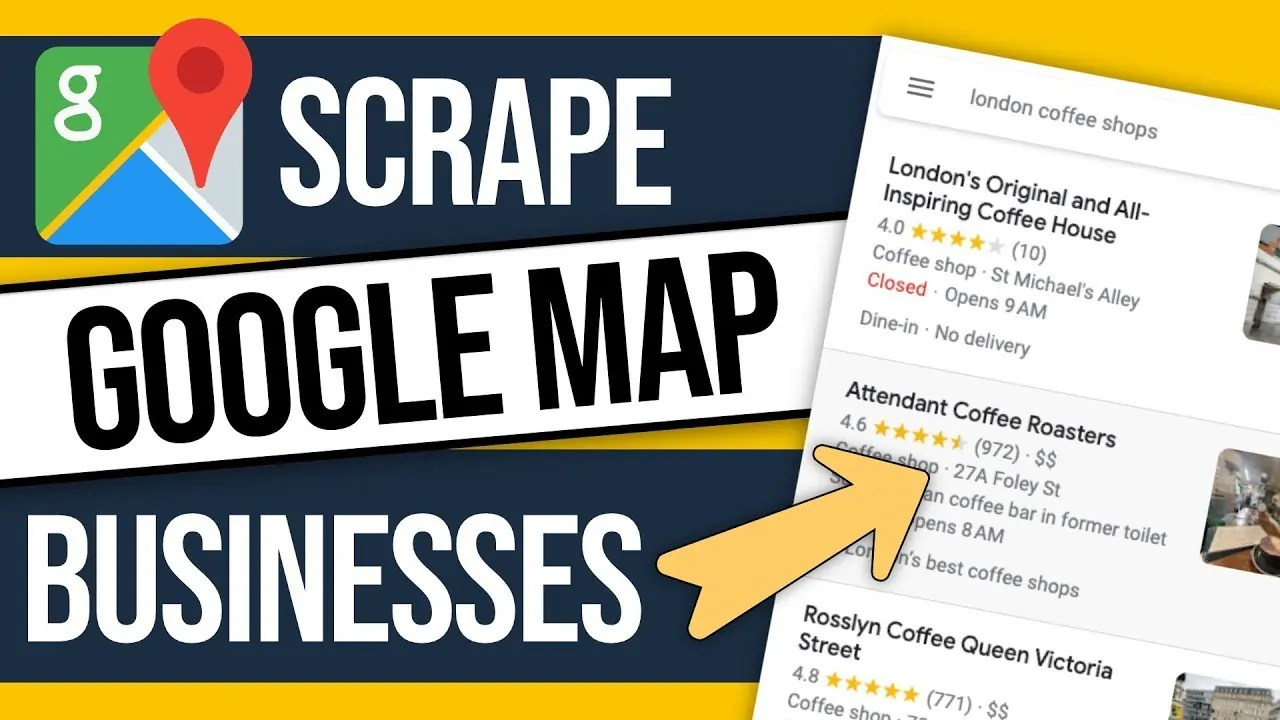
Understanding Geographical Influence with a Google Map Data Scraper
Estimated Reading Time: 5 minutes
- Leverage geographical data to enhance your marketing strategies.
- Utilize tools such as the Google Map Lead Scraper for effective lead generation.
- Understand consumer behavior through location-based insights.
- Overcome challenges in data scraping with practical solutions.
- Act on data insights to drive informed business decisions.
Table of Contents
- Why Geographical Data Matters
- Harnessing Google Map Data Scraper Tools
- Practical Applications in Various Industries
- Overcoming Challenges in Data Scraping
- Actionable Advice for Effective Data Scraping
- Conclusion
- FAQ
Why Geographical Data Matters
Geographical data is more than just nuisance coordinates or street names; it encompasses rich information about consumer behavior, market demands, and regional trends. A report from the Geographical Information Science and Systems (GIS) indicates that businesses utilizing geographical data in their strategies can increase their ROI by 10% to 20%. This statistic underscores the importance of integrating geographic insights into business planning.
The Evolution of Geographical Influence
Traditionally, businesses relied on demographic data collected through surveys and studies; however, these methods often fell short in delivering real-time insights. Modern technology, particularly the capabilities of Google Map data extraction tools, has transformed how companies analyze their market presence. By using a Google Map data scraper, businesses can obtain accurate, real-time data about competitors, potential customers, and market opportunities.
Harnessing Google Map Data Scraper Tools
Companies looking to dive into the world of lead scraping are presented with a plethora of tools, but few provide the depth and simplicity of the Kevi Rite Google Map Lead Scraper. This versatile and intuitive tool not only extracts data from Google Maps but also organizes it in a way that provides actionable insights. Here are some key features of leveraging a Google Map data extractor:
1. Targeted Market Research
With the Google Map data scraper, businesses can gather information on competitors within specific geographical regions. By analyzing business names, addresses, phone numbers, and services offered, they can identify gaps in the market and potential areas for expansion. This targeted market research is vital in making informed decisions on where to allocate resources for optimal ROI.
2. Lead Generation and Customer Acquisition
The tool also serves as an efficient phone number scraper, allowing businesses to collect essential contact information for potential leads. By tapping into local business listings, you can create a robust database of prospects that may be interested in your services. This targeted approach enhances lead generation efforts and increases conversion rates significantly.
3. Enhancing Local SEO Strategies
Local search engine optimization (SEO) plays a crucial role in determining a business’s visibility in local searches. By extracting relevant data from Google Maps, businesses can optimize their online presence strategically. Information on business reviews, popular keywords, and geographical targeting can guide content creation, keyword selection, and overall online strategy.
4. Understanding Customer Behavior
Geographical insights can shed light on customer behavior patterns. By analyzing data collected through a Google Map data scraper, companies can establish trends regarding consumer preferences based on location. For example, a restaurant could recognize that specific menu items are more popular in urban areas compared to suburban regions, allowing them to tailor their offerings accordingly.
Practical Applications in Various Industries
The application of a Google Map Lead Scraper spans various industries, each with unique demands and challenges. Here are some industries that can significantly benefit from geographical influence:
Real Estate
The real estate market thrives on location data. By utilizing Google Map data scrapers, agents can extract information on competitor listings, property values, and residential demographics. This insight helps agents provide key recommendations to clients, ensuring they make informed property investments.
Retail
For retailers, understanding geographical influence can help optimize store locations, stock inventory efficiently, and devise localized marketing campaigns. By scraping Google Maps data, retailers can assess foot traffic patterns and pinpoint the most lucrative locations for new stores or promotional events.
Hospitality
The hospitality industry, particularly hotels and restaurants, can leverage geographical insights to tailor their services to local tastes. By analyzing data on competitor pricing, customer reviews, and popular attractions in a given area, businesses can enhance their offerings and marketing strategies.
B2B Services
Businesses offering B2B services can benefit immensely from targeted lead scraping. By collecting contact information from businesses in desired locations, B2B companies can execute targeted email campaigns, improving their outreach efforts.
Overcoming Challenges in Data Scraping
While the benefits of using a Google Map data scraper are evident, many businesses may encounter challenges in effectively leveraging this technology. Here are some common issues and practical solutions:
1. Data Accuracy
One of the main challenges in data scraping is ensuring the accuracy of the information collected. Outdated or incorrect data can lead to misinformed business decisions. To ensure data integrity, businesses should regularly verify extracted data or utilize scrapers that offer updates and data cleansing features.
2. Legal Compliance
Data scraping can raise legal concerns, particularly regarding terms of service and privacy laws. It is crucial for businesses to remain compliant with local regulations. Ensure your data scraping practices are ethical and transparent, focusing on publicly available information.
3. Tool Selection
With numerous data scraping tools available, selecting the right one can be overwhelming. Companies should choose a tool like the Kevi Rite Google Map Lead Scraper that is easy to use, efficient, and offers robust features that align with their specific needs.
Actionable Advice for Effective Data Scraping
- Define Your Goals: Before you start scraping, have a clear understanding of what information you need and how you will use it. Set specific goals to guide your scraping efforts.
- Regularly Update Your Database: The importance of maintaining an updated database cannot be overstated. Schedule regular updates to ensure your data remains relevant and useful.
- Analyze Data Insights: Don’t just collect data; analyze it! Use analytical tools to derive meaningful insights which can guide your business decisions.
- Stay Informed on Trends: The world of data scraping is ever-evolving. Stay updated on industry trends, emerging technologies, and compliance regulations to always be one step ahead.
Conclusion
Understanding geographical influence is instrumental for businesses aiming to compete effectively in a location-based environment. Utilizing tools like the Google Map Lead Scraper allows companies to extract valuable insights that help drive data-informed business decisions. Whether you’re in retail, real estate, hospitality, or any other sector, geographical data can transform your marketing strategies and operational efficiency.
At Kevi Rite, we are dedicated to providing exceptional scraping tools that simplify the process of lead generation. With our user-friendly Google Map data scraper, businesses can navigate the complexities of geographical influence with ease. Ready to elevate your data scraping strategy? Explore our services at Kevi Rite or join our community on YouTube for tutorials, tips, and insights on maximizing your scraping endeavors.
Don’t miss out – take your first step towards data-driven success today!
FAQ
What is a Google Map Data Scraper?
A Google Map Data Scraper is a tool that extracts valuable information from Google Maps, allowing businesses to gather data on competitors, potential customers, and market trends.
How can geographical data help my business?
Geographical data helps businesses understand market demands, consumer behavior, and regional trends, enabling effective decision-making and improved marketing strategies.
What challenges are faced in data scraping?
Some challenges include data accuracy, legal compliance, and the selection of effective tools to extract and analyze the needed information.