
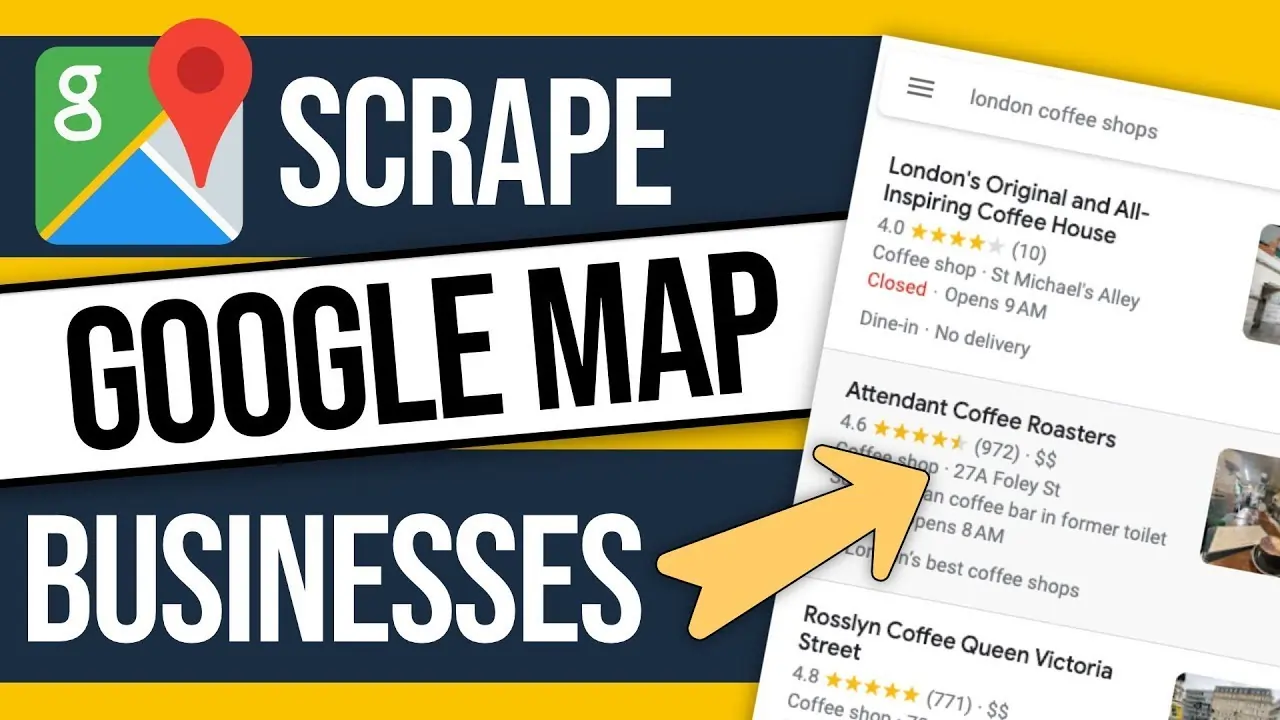
Unlocking Insights with Google Map Data Scrapers
The Evolution of Business Intelligence: A Google Map Data Scraper
Estimated reading time: 5 minutes
- Understanding the transformative role of data scraping in business intelligence.
- Exploring practical applications across various industries.
- Identifying key trends driving the adoption of Google Map data scrapers.
- Addressing challenges and providing actionable insights for businesses.
- Looking into the future of business intelligence with advanced scraping tools.
Table of Contents
- Understanding the Role of Data Scraping in Business Intelligence
- Key Trends Driving the Adoption of Google Map Data Scraping
- Practical Applications of Google Map Lead Scrapers
- Overcoming Challenges in Data Scraping
- Actionable Insights for Leveraging Google Map Data Scrapers
- Conclusion: The Future of Business Intelligence with Google Map Data Scrapers
- FAQ
Understanding the Role of Data Scraping in Business Intelligence
Data scraping has become an essential component of modern business intelligence. It allows organizations to collect and analyze large volumes of data quickly and effectively. Google Maps, with its vast reservoir of business listings, user-generated reviews, and geographic information, serves as a goldmine for companies seeking to enhance their operational strategies.
1. What is a Google Map Data Scraper?
A Google Map Data Scraper is a tool designed to extract information from Google Maps, including business names, phone numbers, addresses, website links, and customer reviews. By automating data collection, businesses can eliminate the tedious task of manual searching, thus saving time and resources while increasing accuracy. Whether it’s an aspiring entrepreneur seeking potential clients or an established firm looking to refine its market strategies, a Google Map lead scraper facilitates effective data acquisition tailored to specific needs.
2. The Evolution of Business Intelligence Tools
Business intelligence has evolved significantly over the past few decades, driven by advances in technology and the increasing need for data-driven decision-making. Early BI tools were simplistic, relying heavily on spreadsheets and databases. Today, tools that support data scraping, such as the Google Map data scraper, represent a paradigm shift. They permit businesses to access real-time data, analyze market trends, and adjust strategies accordingly, helping to foster innovation and adaptability.
Key Trends Driving the Adoption of Google Map Data Scraping
Several trends and factors are contributing to the growing popularity of Google Map data scrapers among businesses. Understanding these can provide insights into their strategic value.
1. Data-Driven Decision Making
Organizations increasingly depend on data to guide their decision-making processes. The ability to pull comprehensive and accurate information from Google Maps through a data scraper empowers businesses to make better-informed decisions.
2. The Rise of Local SEO and Online Presence
With local searches on the rise, businesses must ensure that they are visible to potential customers in their vicinity. Utilizing a phone number scraper to extract contact information from local competitor listings can help businesses identify opportunities for outreach and engagement in their target markets.
3. Automation and Efficiency
The business landscape demands efficiency, and automating data extraction allows companies to focus on analysis rather than data collection. Google Map data scrapers streamline the process, enabling teams to engage with the extracted data and derive meaningful insights rapidly.
4. Competitive Analysis
In an increasingly competitive marketplace, understanding competitors’ strategies is vital. Google Map data scrapers provide comprehensive insights into competitor offerings, market positioning, and customer reviews, thus allowing businesses to adapt and refine their tactics based on real-time intelligence.
Practical Applications of Google Map Lead Scrapers
To fully comprehend the benefits of Google Map lead scrapers, it’s essential to explore how various industries leverage these tools effectively.
1. Real Estate
In the real estate sector, market intelligence is key. By using a Google Map data scraper, real estate agents can gather data about nearby properties, their pricing, and sales trends. This information can help agents tailor their pitches and marketing strategies to potential buyers.
2. Travel and Tourism
Travel agencies can utilize Google Map data scraping to collect information about local attractions, hotels, and restaurants. By understanding customer reviews and ratings, agencies can curate appealing travel packages that resonate with tourists.
3. Retail & E-commerce
Retailers can harness data scraping tools to monitor competitor pricing, promotional offers, and customer feedback. This information is critical for pricing strategies and inventory management in an ever-evolving marketplace.
4. Healthcare
Medical businesses can use Google Map lead scrapers to identify potential patients in their geographic area. By analyzing community health needs based on the data extracted, healthcare providers can tailor their services to meet local demand more effectively.
5. Event Planning
Event planners can use data scrapers to find venues and essential service providers in specific locations and gather reviews about them to ensure a successful selection process.
Overcoming Challenges in Data Scraping
While the advantages are significant, it’s important to acknowledge potential challenges faced by users in this growing field.
1. Legal and Ethical Considerations
As data privacy regulations tighten, it’s critical to understand the legal landscape surrounding data scraping. Organizations must comply with local laws and ensure that they respect privacy concerns while using any scraping tool, including a Google Map data scraper.
2. Data Accuracy
Not all data extracted from online sources is reliable. Implementing validation processes to verify scraped data can enhance the quality of insights gleaned.
3. Technical Hurdles
Some businesses may lack the technical knowledge required to use data scraping tools effectively. Partnering with experts or leveraging user-friendly interfaces can help bridge this gap.
Actionable Insights for Leveraging Google Map Data Scrapers
- Define Your Objectives: Before using a Google Map data scraper, clearly define your goals. Determine what specific information you need and how it aligns with your strategic initiatives.
- Choose the Right Tool: Not all data scrapers offer the same capabilities. Evaluate different Google Map lead scraper solutions based on features, ease of use, and cost-effectiveness before selecting one that fits your business needs.
- Prioritize Data Quality: Implement strict data validation processes. Regularly clean your data to ensure that you maintain accuracy and relevance that ultimately drives informed decisions.
- Stay Compliant: Familiarize yourself with data protection regulations and ensure that your data scraping operations align with legal requirements. This will help build reputation and trust with your customers.
- Utilize Extracted Data Wisely: Develop a strategy for analyzing and leveraging the data you scrape. Use this information to improve your services, target customers more effectively, and craft compelling marketing messages.
Conclusion: The Future of Business Intelligence with Google Map Data Scrapers
The evolution of business intelligence through Google Map data scrapers marks an exciting chapter in the world of data analytics. By utilizing these tools, businesses can harness the power of location-based data to unlock enhanced operational strategies and drive growth.
As companies increasingly recognize the value of data-driven insights and automate their operations through tools like the phone number scraper, the need for expertise in navigating these technologies will only grow.
At Kevi Rite, we are committed to helping businesses tap into the immense potential of data scraping. Our Google Map Data Scraper is designed with simplicity and efficiency in mind, allowing you to extract vital information effortlessly.
If you’re eager to elevate your business intelligence through innovative data scraping solutions, we invite you to explore our services at Kevi Rite. Additionally, don’t forget to subscribe to our YouTube channel at Kevi Rite Official for tips, tricks, and in-depth guides on maximizing your data scraping efforts.
Harness the power of data today and watch your business intelligence soar!
FAQ
1. What is data scraping?
Data scraping is the process of automatically extracting information from websites or online sources to gather data for analysis and insights.
2. Is Google Map data scraping legal?
While using data scrapers can provide essential insights, it’s vital to comply with local laws and regulations regarding data privacy and use.
3. What industries benefit from Google Map data scraping?
Industries such as real estate, travel, retail, healthcare, and event planning can leverage Google Map data scraping for market intelligence and strategic advantage.
4. How can I ensure data accuracy when scraping?
Implement validation processes and regularly clean your data while ensuring that it is sourced from reliable online platforms.
5. What are the benefits of automation in data extraction?
Automation reduces the time spent on data collection, enhances accuracy, and allows teams to focus on analysis rather than manual data gathering.