
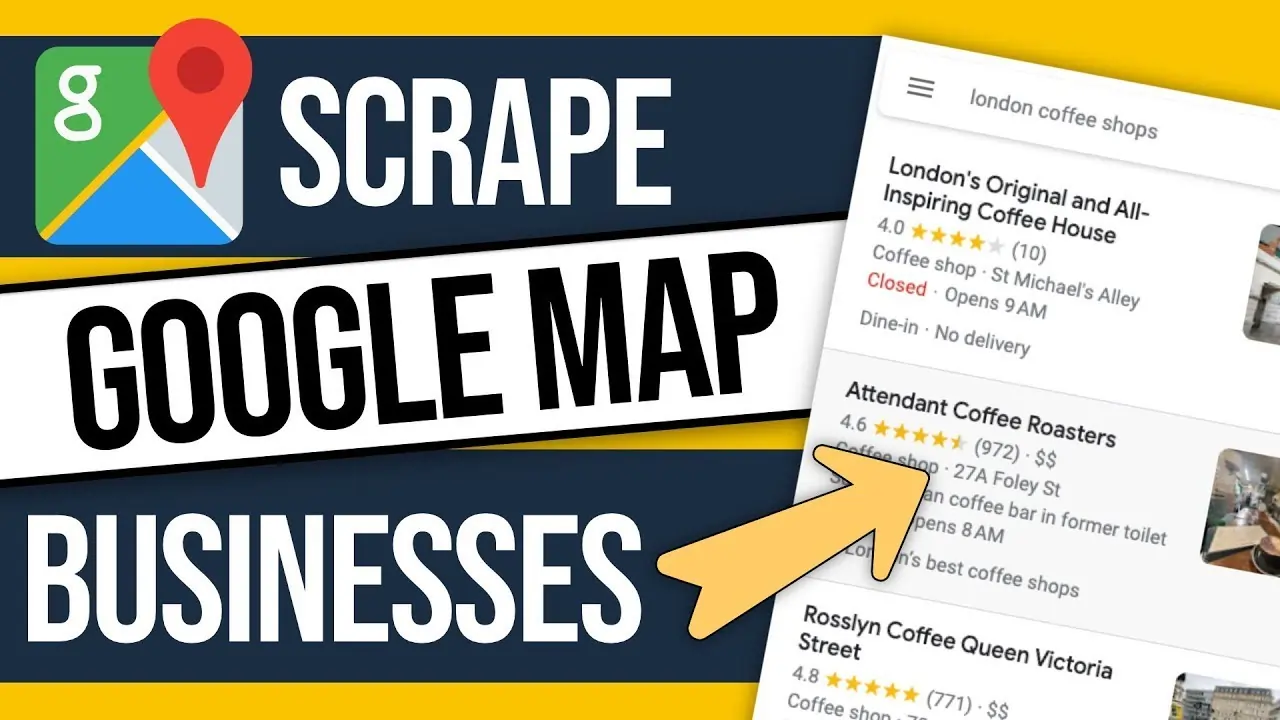
Leveraging Google Map Data Scrapers for Effective B2B Leads
The Future of B2B Lead Generation with a Google Map Data Scraper
Estimated Reading Time: 5 minutes
- Understanding how Google Map Data Scrapers work
- Benefits of integrating data scraping in lead generation
- Practical tips for leveraging scrapers effectively
- Insights into the future of lead generation technology
Table of Contents
- Understanding Google Map Data Scrapers
- The Shifting Landscape of B2B Lead Generation
- Benefits of Using a Google Map Data Scraper
- Practical Takeaways for Leveraging Google Map Data Scrapers
- The Future of Lead Generation with Google Map Data Scrapers
- Conclusion
- FAQ
Understanding Google Map Data Scrapers
Google Map Data Scrapers are designed to extract information from Google Maps, such as business names, addresses, phone numbers, and customer reviews. This data can be invaluable for businesses looking to enhance their marketing efforts and build comprehensive lead databases.
The Role of Phone Number Scrapers
A critical component of Google Map Data Scraping is the integration of phone number scrapers. By sourcing contact numbers directly from Google Maps listings, businesses can create targeted outreach campaigns that significantly improve conversion rates. This method of data scraping ensures that the information is accurate and up-to-date, which is essential for any successful B2B marketing strategy.
The Shifting Landscape of B2B Lead Generation
The B2B landscape is continuously evolving, and recent trends indicate a significant shift towards data-driven marketing strategies. Companies are increasingly utilizing data scraping tools to streamline their lead generation processes, making it easier to identify relevant prospects in their target market.
- Precision Targeting: By using Google Map Data Scrapers, businesses can narrow down their target audience based on specific criteria, such as industry, location, and customer ratings. This targeted approach results in higher-quality leads and improved ROI.
- Faster Data Acquisition: Traditional lead generation methods often require extensive manual searches and data compilation, which can be time-consuming. Google Map Data Scrapers automate this process, allowing businesses to gather comprehensive lists of potential clients quickly.
- Enhanced Customer Insights: Extracting data from Google Maps provides valuable insights into customer preferences and behavior. Companies can analyze reviews and ratings to understand what clients value most, enabling them to tailor their offerings accordingly.
Benefits of Using a Google Map Data Scraper
The advantages of using a Google Map Data Scraper extend beyond mere data acquisition. Here are some key benefits that make these tools indispensable for B2B lead generation:
1. Cost-Effectiveness
Investing in a Google Map Data Scraper proves to be cost-effective in the long run. Instead of spending resources on lead generation platforms or purchasing expensive lead lists, businesses can initiate their own data scraping processes. This means that they can grow their lead databases without incurring unsustainable costs.
2. Accessibility and User-Friendly Interface
Most Google Map Data Scrapers, including the Kevi Rite Google Map Lead Scraper, feature user-friendly interfaces that do not require extensive technical knowledge. Business leaders can easily navigate the system, enabling them to focus on strategy rather than data collection challenges.
3. Real-Time Updates
One of the standout features of using Google Map Data Scrapers is the ability to access real-time updates of business listings. This ensures that companies have the most current information at their fingertips, leading to more effective marketing campaigns.
4. Integration with CRM Systems
Many modern data scrapers allow for easy integration with CRM systems. This seamless connection helps streamline lead management processes, enabling businesses to track interactions and follow up with leads efficiently.
Practical Takeaways for Leveraging Google Map Data Scrapers
For businesses looking to enhance their lead generation strategies using Google Map Data Scrapers, here are some actionable tips:
1. Define Your Target Audience
Before diving into data scraping, it’s essential to have a clear understanding of your target market. Identify key demographics, industries, and geographic locations that are most relevant to your business. This clarity will guide your data scraping efforts and ensure you’re collecting the right information.
2. Utilize Advanced Filters
Most Google Map Data Scrapers come equipped with advanced filtering options. Use these features to specify your search criteria, whether you’re looking for businesses within a particular radius, industries, or customer ratings. This precision will lead to higher-quality leads.
3. Focus on Data Quality
While acquiring a vast amount of data is beneficial, it’s imperative to emphasize data quality. Regularly clean your database by removing duplicates and outdated information. High-quality data yields better engagement and higher conversion rates.
4. Engage with Extracted Data
Once you’ve gathered your data, don’t let it sit idle. Develop a clear outreach strategy to engage with potential leads. Personalized communication, based on insights gathered from the data (like customer reviews), will significantly increase your chances of conversion.
5. Monitor and Analyze Results
After implementing your lead generation campaigns, continuously monitor and analyze the results. Use analytics tools to assess the effectiveness of your strategies. Adjust your approach as needed based on the data-driven insights you gather.
The Future of Lead Generation with Google Map Data Scrapers
As technology continues to advance, the future of B2B lead generation will increasingly rely on tools like Google Map Data Scrapers. With the capability to extract substantial amounts of data efficiently, businesses can expect to see improvements in their lead generation efforts.
Emerging Trends
- Artificial Intelligence Integration: Future scrapers may incorporate AI to predict lead behavior and refine targeting strategies further.
- Enhanced Automation: As automation technology improves, businesses will benefit from even more streamlined processes, allowing them to focus on growth.
- Advanced Analytics: Sophisticated analytics tools will become part of scrapers, offering deeper insights into customer behavior and enhancing decision-making processes.
Conclusion
In conclusion, the future of B2B lead generation is intertwined with the capabilities of Google Map Data Scrapers. These tools empower businesses to extract essential data, allowing for targeted marketing strategies and improved customer engagement. By leveraging the power of Google Map Data Scrapers, companies can enhance their lead generation efforts and set themselves up for continued success in an increasingly competitive marketplace.
If your business is looking to enhance its lead generation strategy, consider utilizing the Kevi Rite Google Map Lead Scraper. For more information on our services, visit Kevi Rite, or check out our YouTube channel for tips on optimizing your data scraping efforts at Kevi Rite Official. Embrace the future of lead generation and unlock the potential of your business today!
FAQ
1. What is a Google Map Data Scraper?
A Google Map Data Scraper is a tool designed to extract data from Google Maps, including business names, addresses, phone numbers, and customer reviews.
2. How can I use this tool for my business?
You can use this tool to identify potential leads by filtering businesses based on specific criteria such as industry, location, and ratings.
3. Are these scrapers legal?
Using data scraping tools is legal as long as you comply with the terms of service of the site from which you’re scraping data.
4. Can it increase my conversion rates?
Yes, by allowing for more targeted outreach and engagement based on accurate, up-to-date data, conversion rates can significantly increase.
5. Do I need technical skills to use a Google Map Data Scraper?
Most modern scrapers feature user-friendly interfaces that do not require extensive technical knowledge, making them accessible for all business leaders.