
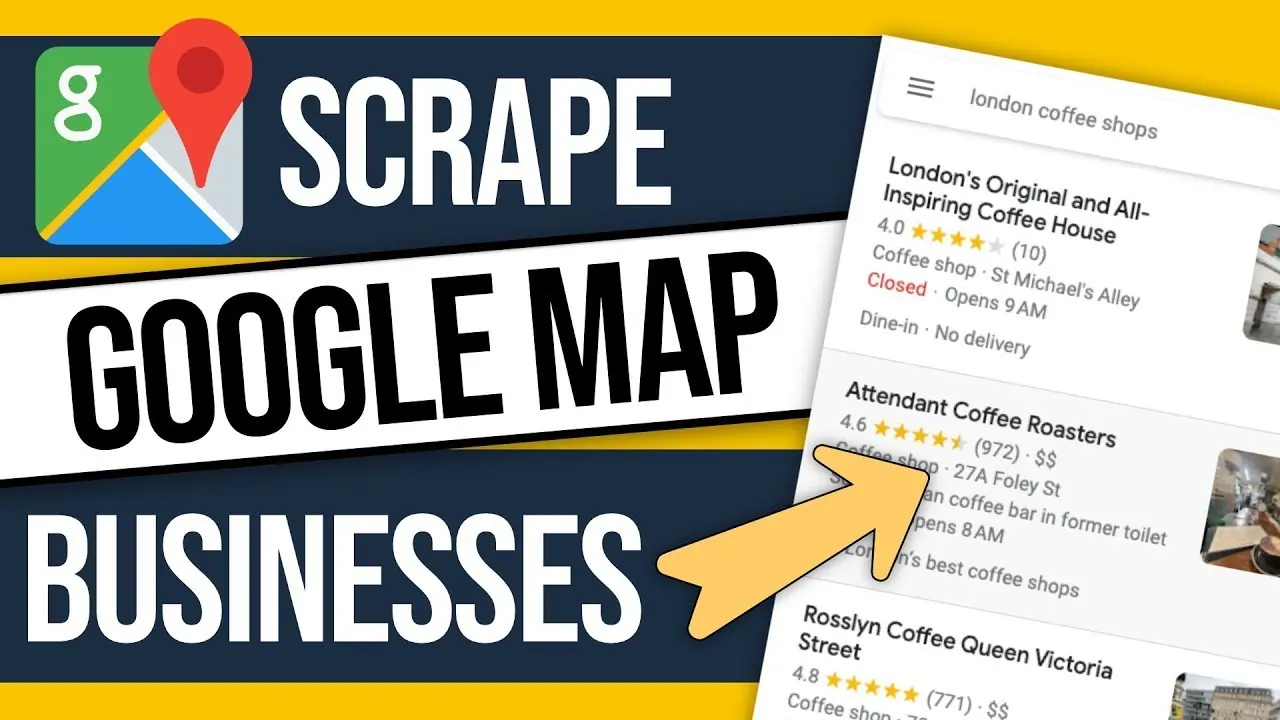
Gain Competitive Insights with Google Map Data Scraper
Gain a Competitive Edge: Deploying a Strategic Google Map Data Scraper
Estimated Reading Time: 6 minutes
- Unlock valuable customer insights and lead generation capabilities.
- Streamline outreach efforts with targeted lead generation.
- Utilize comprehensive data for improved decision-making.
- Adapt your strategies based on evolving data landscapes.
Table of Contents
- Understanding Google Map Data Scraping
- The Importance of Google Map Lead Scrapers
- Industries Benefiting from Google Map Data Scrapers
- Implementing a Google Map Data Scraper: Practical Steps
- Challenges of Data Scraping
- Conclusion
- FAQ
Understanding Google Map Data Scraping
Google Map Data Scraping is a technique used to extract information from Google Maps, which can include details about businesses, addresses, phone numbers, operating hours, reviews, and more. This process utilizes specialized software, such as the Kevi Rite Google Map Lead Scraper, which automates the data extraction process and enables you to collect large volumes of information efficiently.
By leveraging these tools, organizations can develop comprehensive databases that provide a wealth of insights about their market, competition, and potential customers. The data scraped from Google Maps can inform marketing campaigns, sales outreach strategies, and even help businesses identify new partnership opportunities.
The Importance of Google Map Lead Scrapers
In an increasingly digital world, data is the new oil. Businesses that effectively utilize data scraping tools can unlock numerous benefits, including:
- Targeted Lead Generation: With a Google Map Data Scraper, businesses can extract contact details, including phone numbers, of potential customers or competitors. This targeted approach helps streamline outreach efforts and increase conversion rates.
- Market Research: With access to vast amounts of data, companies can analyze trends, customer reviews, and local competitors, gaining insights into market conditions and consumer preferences.
- Enhanced Decision-Making: Accurate data supports informed decision-making. By utilizing a phone number scraper or Google Map data scraper, organizations can reduce uncertainty in critical business strategies.
- Cost-Effective Solutions: Manual data collection can be labor-intensive and prone to errors. Deploying a strategic scraper like the Kevi Rite tool minimizes these risks while saving time and resources.
- Increased Efficiency and Productivity: Automating the data collection process allows teams to focus on what they do best—crafting strategies based on the insights provided by the data.
Industries Benefiting from Google Map Data Scrapers
The versatility of Google Map Lead Scrapers has made them invaluable across a range of industries, including:
- Real Estate: Realtors can scrape data to compile lists of properties for sale, locate potential clients, and analyze market trends within specific neighborhoods.
- E-commerce: Retail companies can identify local competitors and understand their positioning, enabling strategic pricing and promotional decisions.
- Healthcare: Medical practitioners can use data scrapers to maintain updated contact information for local healthcare providers, outreach for marketing, and optimizing referral networks.
- Hospitality: Hotels can extract information on nearby attractions, competitors, and customer reviews, leading to improved offerings and customer service.
- Event Planning: Event coordinators can collect data on venues, suppliers, and potential attendees, thereby enhancing their outreach strategies.
Implementing a Google Map Data Scraper: Practical Steps
To leverage the full potential of a Google Map Data Scraper effectively, consider following these actionable steps:
- Identify your Data Needs: Begin by clarifying what type of data is most valuable to your organization. Determine the information that aligns with your business objectives, whether it be business addresses, phone numbers, reviews, or more.
- Choose the Right Scraping Tool: Select a scraper that suits your needs, like the Kevi Rite Google Map Lead Scraper. Ensure that it aligns with your technical capabilities, budget, and specific scraping requirements.
- Set Up and Configure the Scraper: Follow best practices when setting up the tool. Customize the parameters to focus on your target markets, ensuring that you only collect the most relevant data.
- Analyze the Extracted Data: Once you have collected the data, utilize analytics tools to extract insights. Identify trends, correlations, and anomalies that can inform your strategies.
- Implement and Adjust Strategies: Based on the insights derived from the data, implement changes to your marketing, sales, or operational strategies. Be prepared to adjust as the data landscape evolves.
- Compliance and Ethical Considerations: It’s essential to remain compliant with data privacy laws and ethical guidelines as you gather and use data. Ensure that your practices align with regulations such as GDPR and CCPA.
Challenges of Data Scraping
While Google Map Data Scrapers present significant advantages, there are also challenges that businesses must navigate:
- Data Accuracy: Scraping tools can sometimes capture outdated or incorrect information. Regular data validation is necessary to ensure that the information you use is accurate.
- Legal Considerations: Ensure you understand the legal guidelines surrounding data scraping in your region. Certain jurisdictions have strict rules about web scraping and data privacy.
- Technical Issues: Integrating scraping tools with existing business systems can sometimes lead to technical headaches. It’s advisable to coordinate with IT professionals for a smoother implementation.
- Service Reliability: Choose a reputable scraping service that guarantees uptime and support, ensuring that your lead-gathering efforts are consistent and reliable.
Conclusion
Gleaning insights from Google Maps isn’t just a competitive strategy; it’s becoming a necessity for growth in today’s data-driven environment. By deploying a strategic Google Map Data Scraper, organizations can unlock critical insights that guide their decision-making and fuel their marketing efforts.
The Kevi Rite Google Map Lead Scraper offers a powerful, user-friendly solution for businesses looking to harness the potential of lead scraping tools. Whether you’re in real estate, e-commerce, hospitality, or any other sector, leveraging this technology can streamline your operations and lead to more effective strategies.
Ready to gain a competitive edge? Explore the capabilities of the Kevi Rite Google Map Lead Scraper by visiting https://kevirite.com/. For more insights and updates on data scraping tools and strategies, subscribe to our YouTube channel at https://www.youtube.com/@keviriteofficial.
FAQ
Q: What is Google Map Data Scraping?
A: Google Map Data Scraping is a technique used to extract information from Google Maps, helping businesses collect valuable data about businesses and markets.
Q: How can a Google Map Data Scraper benefit my business?
A: It can enhance lead generation, improve market research, and streamline decision-making processes.
Q: Are there any legal concerns with data scraping?
A: Yes, it is important to understand and comply with local data privacy laws and ethical guidelines.
Q: What industries can benefit from Google Map Data Scrapers?
A: Industries such as real estate, e-commerce, healthcare, hospitality, and event planning can all leverage this technology.
Q: What challenges should I be aware of?
A: Challenges include data accuracy, legal considerations, technical issues, and ensuring service reliability.