Unlocking Local Business Opportunities with Google Map Data
Uncovering Local Business Opportunities Using a Google Map Data Scraper
Estimated reading time: 5 minutes
- Discover local business opportunities with data scraping technologies.
- Utilize insights from customer reviews and competitor analysis.
- Craft targeted marketing strategies by leveraging extracted data.
- Monitor and adjust your approaches based on current information.
- Understand data scraping ethics and guidelines to avoid penalties.
Table of Contents:
Understanding the Power of Google Map Data Scraping
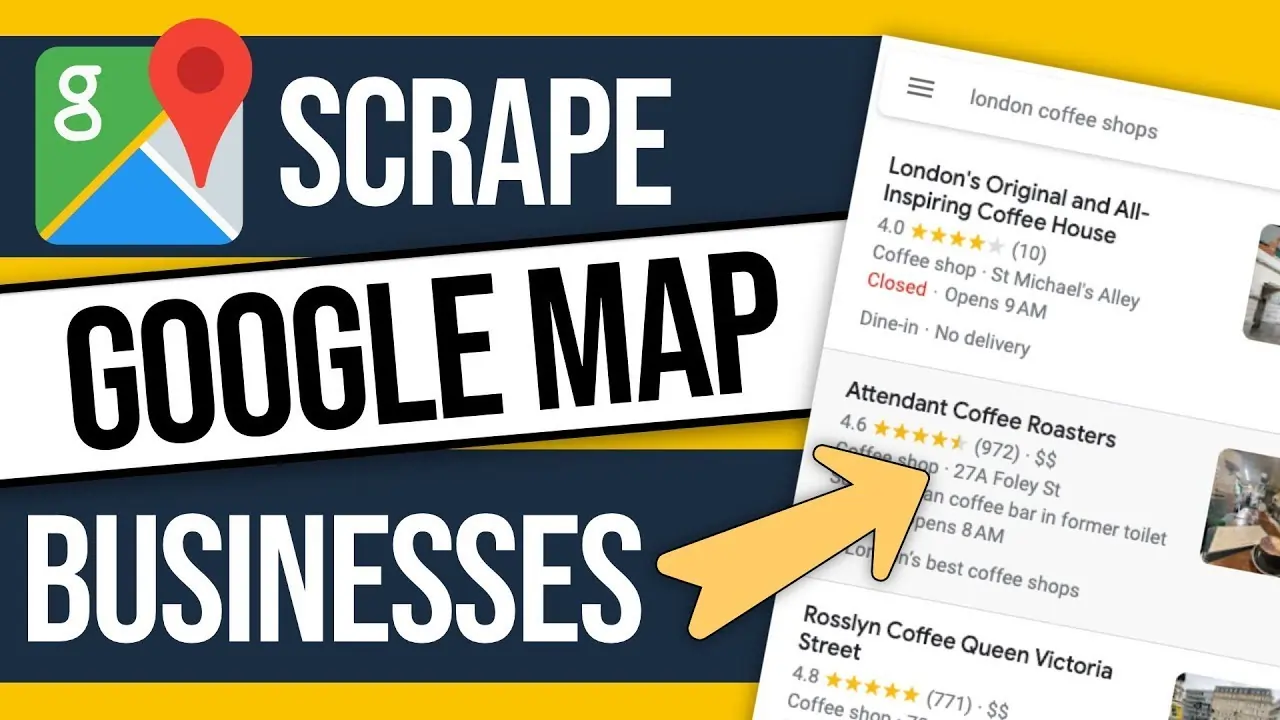
Google Maps is a treasure trove of information for businesses. It holds a wealth of data about local businesses, including their addresses, phone numbers, hours of operation, and customer reviews. By utilizing a phone number scraper or Google Map data scraper, businesses can access this data efficiently and effectively. This process not only saves time but also enables companies to capitalize on local opportunities they may have otherwise overlooked.
Why Local Business Data Matters
For local businesses, understanding the competition and the market landscape is crucial. According to recent studies, around 46% of all Google searches are seeking local information. This means that if your business isn’t visible in local search results, you’re potentially missing out on a significant customer base. Furthermore, a report from the Local Search Association indicated that 85% of consumers use the internet to find local businesses.
A Google Map data scraper allows businesses to gather insights about:
- Local competition: Identify who your competitors are and what services they offer.
- Market gaps: Discover underserved areas where you can introduce your offerings.
- Customer sentiment: Analyze reviews and ratings to understand what customers appreciate or dislike about services in your niche.
With these insights, businesses are better positioned to create targeted marketing strategies and enhance their service offerings.
How to Utilize a Google Map Data Scraper
Using a Google Map data scraper may sound complex, but the process can be straightforward with the right tools. At Kevi Rite, our Google Map Lead Scraper is designed to be simple and user-friendly, enabling businesses to extract valuable data efficiently.
Step 1: Define Your Goals
Before diving into data extraction, it’s crucial to identify your objectives. Are you looking to gather information on potential leads, understand the competitive landscape, or assess customer sentiment? Having clear goals will help guide your data scraping efforts and ensure you extract the most relevant information.
Step 2: Conduct Targeted Searches
Once your goals are defined, use the scraper to conduct targeted searches. This might include specific keywords related to your business or geographical areas where you want to expand. For instance, if you are a digital marketing agency looking to work with local restaurants, search for terms like “restaurants near me” or “Italian restaurants in [Location].”
Step 3: Analyze the Extracted Data
After running the scraper, you’ll have a collection of data, including business names, addresses, phone numbers, and possibly customer reviews. Analyze this data to identify trends and opportunities. Are there businesses with significant positive reviews that might be interested in your services? Are there competitors consistently receiving negative feedback? These insights can help you tailor your approach to local marketing.
Step 4: Implement Your Strategy
Based on your analysis, craft a marketing strategy that speaks directly to potential customers and addresses gaps in the market. Consider leveraging social media, email marketing, or targeted advertisements to reach these prospects. Remember, personalization is key; use the insights gathered to customize your messaging for maximum impact.
Step 5: Monitor and Adjust
The market is always changing, and so should your approach. Continuously monitor the effectiveness of your marketing strategies and gather new data periodically. This iterative process ensures that you’re always operating based on the most current information, which is essential in a competitive landscape.
Practical Takeaways and Actionable Advice
To fully harness the power of a Google Map data scraper, consider these practical takeaways:
- Stay Organized: Maintain a well-organized database of the data you scrape. This will make it easier to reference and use in future marketing efforts.
- Be Ethical: Ensure that you’re compliant with Google’s Terms of Service when scraping data. Ethical practices not only safeguard your business from penalties but also promote trust with customers.
- Combine Data Sources: While Google Maps is an excellent resource, complement your findings with other data sources like social media, review sites, and industry reports for a more comprehensive view of your market.
- Leverage Customer Reviews: Use insights from customer reviews to refine your product offerings and address pain points. Engaging with customers online also enhances your brand image and loyalty.
By implementing these strategies, businesses can effectively leverage a Google Map data scraper to unlock local business opportunities.
Challenges to Consider
While the benefits of using a Google Map data scraper are substantial, some challenges may arise that companies need to be aware of:
- Data Accuracy: Not all information on Google Maps is accurate or up-to-date. Businesses should verify the data gathered to ensure its reliability, which may require additional research.
- Scraping Limits: Google imposes limits on the frequency and volume of data scraping to prevent abuse. Be mindful of these guidelines to avoid potential issues with your access.
- Competitive Landscape: As more businesses discover the benefits of data scraping, competition may intensify in local markets. Staying ahead requires constant innovation and adaptation.
Conclusion: Uncovering Leads with Kevi Rite
In summary, a Google Map data scraper is a powerful tool for local businesses to uncover opportunities in their markets. By utilizing the Kevi Rite Google Map Lead Scraper, companies can harness crucial data that informs their marketing strategies and decision-making processes.
Whether you are looking to enhance customer engagement, identify gaps in the market, or understand your competition better, our tool offers a simple and efficient solution to extract the data you need.
Don’t let valuable local opportunities slip through your fingers. Start your data scraping journey today by exploring our services at Kevi Rite or watch our tips and tutorials on our YouTube channel for more insights into optimizing your strategies.
Unlock the potential of local data today and propel your business to new heights!
FAQ
1. What is a Google Map data scraper?
A Google Map data scraper is a tool that extracts information from Google Maps, such as business names, addresses, and reviews.
A Google Map data scraper is a tool that extracts information from Google Maps, such as business names, addresses, and reviews.
2. How do I use a Google Map data scraper effectively?
Define your goals, conduct targeted searches, analyze the extracted data, implement your strategy, and continuously monitor your results.
Define your goals, conduct targeted searches, analyze the extracted data, implement your strategy, and continuously monitor your results.
3. Is data scraping legal?
Data scraping legality can vary; it’s essential to comply with Google’s Terms of Service and ensure ethical practices.
Data scraping legality can vary; it’s essential to comply with Google’s Terms of Service and ensure ethical practices.
4. What are the advantages of using a data scraper?
It helps businesses uncover local opportunities, understand competition, and optimize marketing efforts through data-driven insights.
It helps businesses uncover local opportunities, understand competition, and optimize marketing efforts through data-driven insights.
5. Can I modify the data I extract from Google Maps?
While you can analyze and use the data for marketing, ensure compliance with legal and ethical guidelines before making any modifications.
While you can analyze and use the data for marketing, ensure compliance with legal and ethical guidelines before making any modifications.