
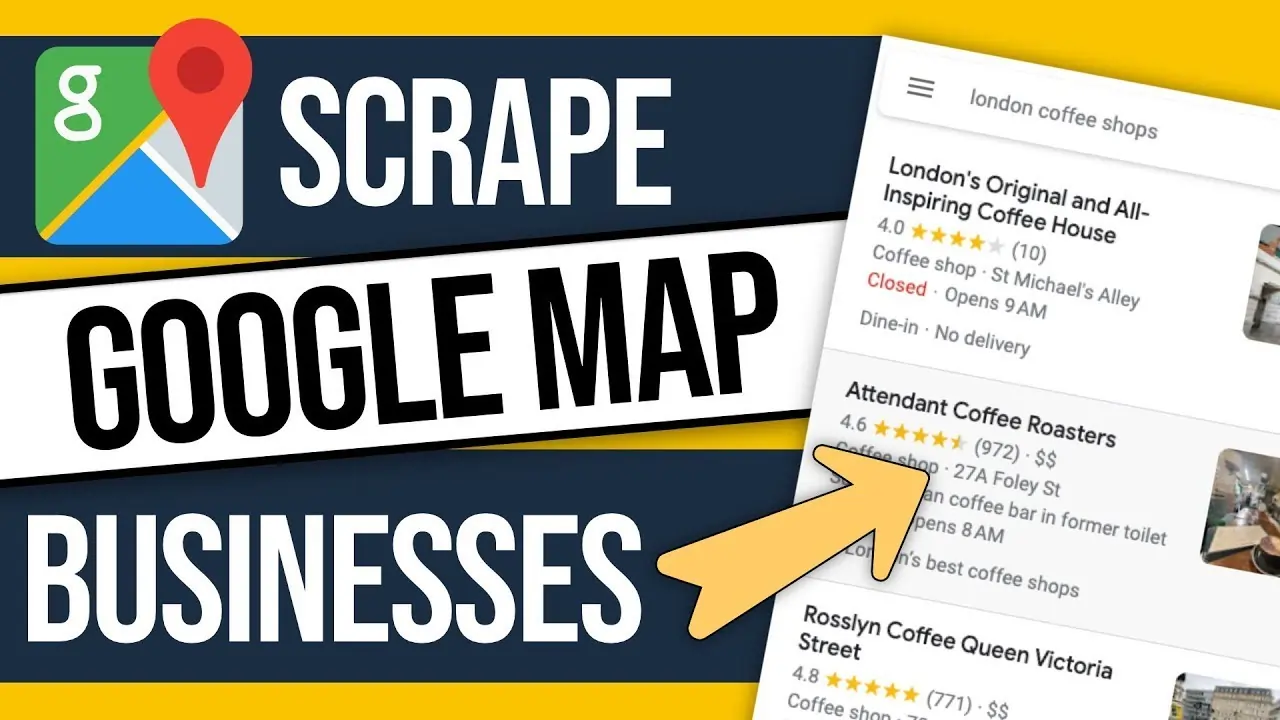
Ethical and Effective Google Map Data Scraping
The Ethical and Effective Use of a Google Map Data Scraper
Estimated Reading Time: 7 minutes
- Understanding the importance of ethical scraping.
- Strategies for effectively using a Google Map Data Scraper.
- Challenges to be aware of when scraping data.
- Practical takeaways for businesses looking to leverage data scraping.
Table of Contents
- Understanding Google Map Data Scrapers
- The Importance of Ethical Scraping
- Effective Strategies for Using Google Map Data Scrapers
- Challenges in Data Scraping
- Practical Takeaways for Businesses
- Conclusion: The Next Steps for Your Business
Understanding Google Map Data Scrapers
In today’s digital landscape, leveraging technology for data extraction has become a cornerstone for businesses aiming to enhance their marketing strategies and outreach efforts. At the forefront of this trend is the Google Map Data Scraper, which facilitates the precise extraction of valuable business information from Google Maps. This week’s blog post delves into the ethical and effective use of a Google Map Data Scraper, a topic that is not only trending but crucial for companies seeking to engage customers in a competitive marketplace.
The Importance of Ethical Scraping
As with any technology, ethical considerations are paramount when utilizing a Google Map Data Scraper. Businesses must navigate the fine line between effective data collection and violating ethical standards or privacy concerns. While data scraping itself is a powerful tool, misusing it can lead to legal repercussions and damage to a company’s reputation.
- Respecting Privacy: It’s crucial that companies using a phone number scraper respect individual privacy rights. Personal data, such as phone numbers, should be collected with an understanding of applicable laws and regulations like GDPR or CCPA. Businesses should aim to use the data responsibly and with permission whenever possible.
- Consent and Transparency: When reaching out to leads generated through Google Maps, transparency about how the information was obtained can foster trust. Sending an introductory email or phone call that communicates this transparently can enhance customer relationships.
- Avoiding Spam Techniques: Ethical scraping also involves refraining from using aggressive outreach methods that could be interpreted as spam. A thoughtful approach that utilizes the data for meaningful engagement is essential.
- Staying Updated on Regulations: Regulatory environments are continually evolving. Companies must stay informed about legal standards governing data scraping to ensure compliance and maintain ethical business practices.
Effective Strategies for Using Google Map Data Scrapers
Leveraging a Google Map Data Scraper effectively goes beyond mere data acquisition; it’s about turning that data into actionable insights that can enhance your business strategies. Here are some effective strategies to consider:
- Define Your Target Audience: Before scraping data, clearly define your target audience. Think about who your ideal customers are and what information will be most beneficial. Identifying specific criteria—like location, business type, and customer demographics—will help narrow your focus during the scraping process.
- Utilize Segmentation: Once relevant data is gathered, segment your audience based on various factors, such as location, industry, or customer needs. Segmentation enables personalized marketing strategies, allowing you to tailor your communications and increase the likelihood of engagement.
- Use Data Analytics: To derive maximum value from the scraped data, implement data analytics tools that can interpret insights, trends, and patterns. Understanding customer behavior through analytics can lead to more informed decision-making and fine-tune marketing strategies.
- Enhance Local SEO: Google Map data can have a significant impact on local SEO. Utilize the extracted data to optimize your business’s local listings and improve visibility on search engine results pages (SERPs). Incorporate targeted keywords related to your services within the content and ensure that your business information across platforms is consistent.
- Personalize Communication: Utilizing the data responsibly and ethically allows businesses to create highly personalized marketing messages. By understanding the interests and needs of the leads gathered, companies can tailor their outreach campaigns for better responses and conversion rates.
Challenges in Data Scraping
While the advantages of employing a Google Map Data Scraper are vast, various challenges and pitfalls exist that businesses must navigate:
- Data Accuracy: The accuracy of the scraped data is paramount. Inaccurate data can lead to incorrect outreach efforts, wasting both time and resources. It’s important to implement methods for validating and cross-referencing scraped information.
- Rate Limiting and IP Blocking: Frequent scraping can lead to being rate-limited or even blocked by Google. To mitigate this, consider pacing your scraping activities or using multiple IP addresses to distribute traffic.
- Systematic Changes: Google frequently updates its platform, which can alter the structure of the data available or how scraping tools interact with its services. Staying adaptable and being ready to update your scraping strategy is vital.
Practical Takeaways for Businesses
Implementing the best practices in ethical and effective Google Map data scraping can significantly enhance your business. Here are practical takeaways:
- Invest in a Reliable Tool: Use reliable tools like the Kevi Rite Google Map Lead Scraper which is specifically designed to extract data efficiently and effectively.
- Focus on Data Quality: Always ensure that the data you are collecting is accurate and reliable to inform your business decisions.
- Stay Ethical: Keep ethical considerations front and center when collecting data. Respect privacy laws and ensure transparent practices in your outreach efforts.
- Leverage for Growth: Use the data collected not just for immediate sales but as a part of a broader strategy to enhance customer relations and build brand loyalty.
Conclusion: The Next Steps for Your Business
To truly capitalize on the potential of a Google Map Data Scraper, businesses must balance the power of data extraction with ethical considerations and effective strategies. It’s crucial to remain compliant with privacy regulations, respect customer privacy, and use collected data to foster genuine relationships.
At Kevi Rite, we specialize in providing sophisticated yet simple solutions for data scraping on Google Maps. Connect with us today to explore how our tools can enhance your lead generation strategy while adhering to ethical guidelines. Visit us at https://kevirite.com/ and don’t forget to check our YouTube channel for insightful tips and tutorials at https://www.youtube.com/@keviriteofficial.
By implementing ethical and effective practices with a Google Map Data Scraper, you can unlock a wealth of opportunities for your business, driving growth and engagement in the process!
FAQ
What is a Google Map Data Scraper?
A Google Map Data Scraper is a tool that allows businesses to extract information such as business names, addresses, and phone numbers from Google Maps.
Is it legal to use a Google Map Data Scraper?
While using a Google Map Data Scraper is legal, businesses must comply with privacy regulations and ethical guidelines to avoid legal issues.
How can I ensure the accuracy of scraped data?
Implement methods for validating and cross-referencing scraped information to ensure data quality and accuracy.
What are the best practices for ethical scraping?
Respect privacy, obtain consent, maintain transparency, and avoid spam techniques to engage leads effectively.