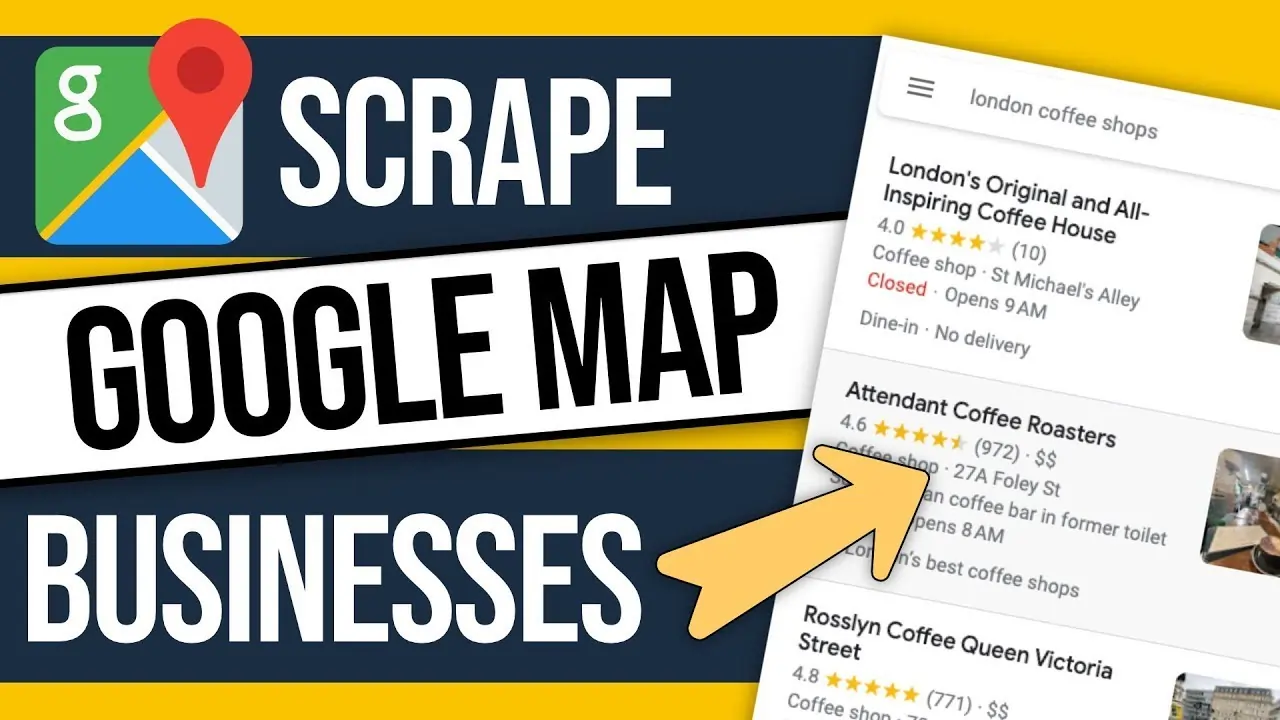
Driving Organic Traffic: The Role of a Google Map Data Scraper
Estimated reading time: 4 minutes
Key takeaways:
- Understand the benefits of using a Google Map data scraper for lead generation.
- Implement strategies to maximize the effectiveness of data scraping.
- Enhance local SEO and customer relationships through targeted outreach.
- Stay within ethical boundaries when using data scraping tools.
Understanding the Google Map Data Scraper
A Google Map data scraper is an instrument designed to extract data from Google Maps, including business names, addresses, phone numbers, and other relevant details. This tool is invaluable for businesses looking to build a robust database of potential customers.
The process of scraping data from Google Maps involves utilizing algorithms and code to pull vast amounts of data efficiently. As a result, businesses can gather insights and compile lists of leads based on geographic location, industry, and other parameters. The versatility of a Google Map data scraper makes it an essential tool across various sectors, including real estate, hospitality, and local services.
Why Orchestrating Organic Traffic Matters
Driving organic traffic is crucial for all businesses, particularly in a competitive online market. While paid advertising can provide immediate results, it often comes with high costs and short-term benefits. In contrast, organic traffic is free and sustainable over time, relying on search engine optimization (SEO) strategies to enhance visibility and attract visitors to your website.
Harnessing the power of a Google Map data scraper helps businesses establish a more robust online presence by targeting local keywords, optimizing business listings, and enhancing their overall digital footprint. By tapping into the vast reservoir of information that Google Maps offers, businesses can curate an effective marketing strategy that increases organic traffic.
Maximizing the Potential of Google Map Data Scraping
To extract the highest value from a Google Map data scraper, businesses must adopt strategic measures, including:
1. Identify Your Target Audience
Before diving into data scraping, it’s essential to identify the target audience for your business. Understand who your potential customers are, their demographics, interests, and the specific services they might be seeking. This clarity will streamline your scraping efforts, enabling you to collect relevant data that truly resonates with your audience.
2. Choose the Right Keywords
This step involves researching high-impact keywords that your potential customers are likely to search for. Incorporating relevant keywords into your content will strengthen your SEO strategy and boost your organic traffic. Keywords such as
Google map lead scraper,
phone number scraper, and
Google map data extractor can be instrumental in guiding your scraping process.
3. Optimize Your Data Extraction Process
Utilizing a reliable Google Map data scraper like
Kevi Rite provides efficiency and accuracy in data extraction. The tool allows you to filter searches based on your criteria and collect only the data you need. This precision not only saves time but also ensures your database remains relevant and up-to-date.
4. Analyze and Segment Your Data
Once you’ve harvested data from Google Maps, the next step is to analyze and segment it. Understanding patterns and behaviors can help you tailor your marketing campaigns effectively. For instance, if a particular demographic tends to engage with your service offerings, you can create targeted ads or promotional content that speaks directly to them.
5. Craft Compelling Content
With the data at your disposal, it’s time to create engaging and informative content that resonates with your audience. Content is key when it comes to organic traffic; well-crafted blog posts, articles, and guides can position your business as an industry leader. Ensure your content incorporates SEO strategies, including targeted keywords and optimized headers.
The Relationship Between Google Map Lead Scrapers and Business Growth
Implementing a Google Map lead scraper can be a game-changer for your business growth. Here’s how:
Local SEO Enhancement
One of the primary benefits of using a Google Map data scraper is its ability to bolster local SEO. By extracting data about local businesses and competitors, you can analyze their strengths and weaknesses. This analysis informs your marketing strategy, allowing you to optimize your business for better visibility in local search results, ultimately improving your organic traffic.
Building a Targeted Email List
A Google Map data scraper can assist in building a targeted email list by scraping contact details and personalizing outreach efforts. Reach out to potential clients with tailored messages that address their specific interests or needs. This customized approach not only improves the likelihood of conversions but also cultivates long-term customer relationships.
Strengthening Customer Relationships
The insights gained from data scraping facilitate a deeper understanding of your customer base. By understanding their comments, ratings, and reviews on Google Maps, you can improve your services and address customer concerns effectively. This proactive engagement fosters trust and loyalty, leading to repeat business and referrals.
Competitor Analysis
Analyzing the competition is vital for staying ahead in the industry. A Google Map data scraper allows you to monitor competitor offerings, pricing strategies, and customer feedback. Use this information to identify gaps in the market and offerings that you can leverage for your advantage.
Practical Takeaways for Using Google Map Data Scrapers
- Explore User-Friendly Tools: When entering the world of data scraping, it’s crucial to choose user-friendly tools. Kevi Rite’s Google Map Lead Scraper offers an accessible interface that allows users at any skill level to harness the power of data without excessive technical know-how.
- Stay Within Ethical Boundaries: While data scraping can be a powerful tool, it’s essential to respect the ethical boundaries of data use. Familiarize yourself with laws and regulations surrounding data scraping and ensure your practices comply to avoid legal repercussions.
- Continuously Update Your Database: Business landscapes change rapidly; therefore, it’s crucial to keep your leads and contact information updated. Regularly utilize your Google Map data scraper to refresh your database, ensuring you maintain a competitive edge and effectively engage with your audience.
- Test and Optimize: After implementing your data-driven strategies, track their performance through analytics tools. Evaluating metrics such as website traffic, conversion rates, and user engagement will guide you in optimizing your approach for better outcomes.
Conclusion
Driving organic traffic in today’s digital landscape requires leveraging every available tool, and one of the most powerful tools at your disposal is a Google Map data scraper. This innovative technology empowers businesses to gather valuable insights, streamline lead generation, and optimize marketing efforts, all of which are essential for sustainable growth.
By adopting a strategic approach to using a Google Map lead scraper, businesses can not only increase their online presence but also establish themselves as industry authorities.
If you’re ready to enhance your lead generation efforts and drive organic traffic, consider trying Kevi Rite’s Google Map Lead Scraper. For more insights and resources, feel free to explore our services at Kevi Rite or check out our YouTube channel for tips and tutorials at Kevi Rite Official. Take the first step towards transforming your data scraping strategy today!
FAQ
What is a Google Map data scraper?
A Google Map data scraper is a tool designed to extract data from Google Maps, including information about businesses such as names, addresses, and contact details.
How can a Google Map data scraper help my business?
It can help by gathering valuable lead information, enhancing your local SEO, and allowing for targeted marketing efforts to increase your organic traffic.
Is data scraping legal?
Data scraping can comply with legal regulations, but it’s important to familiarize yourself with relevant laws and use ethical practices.