
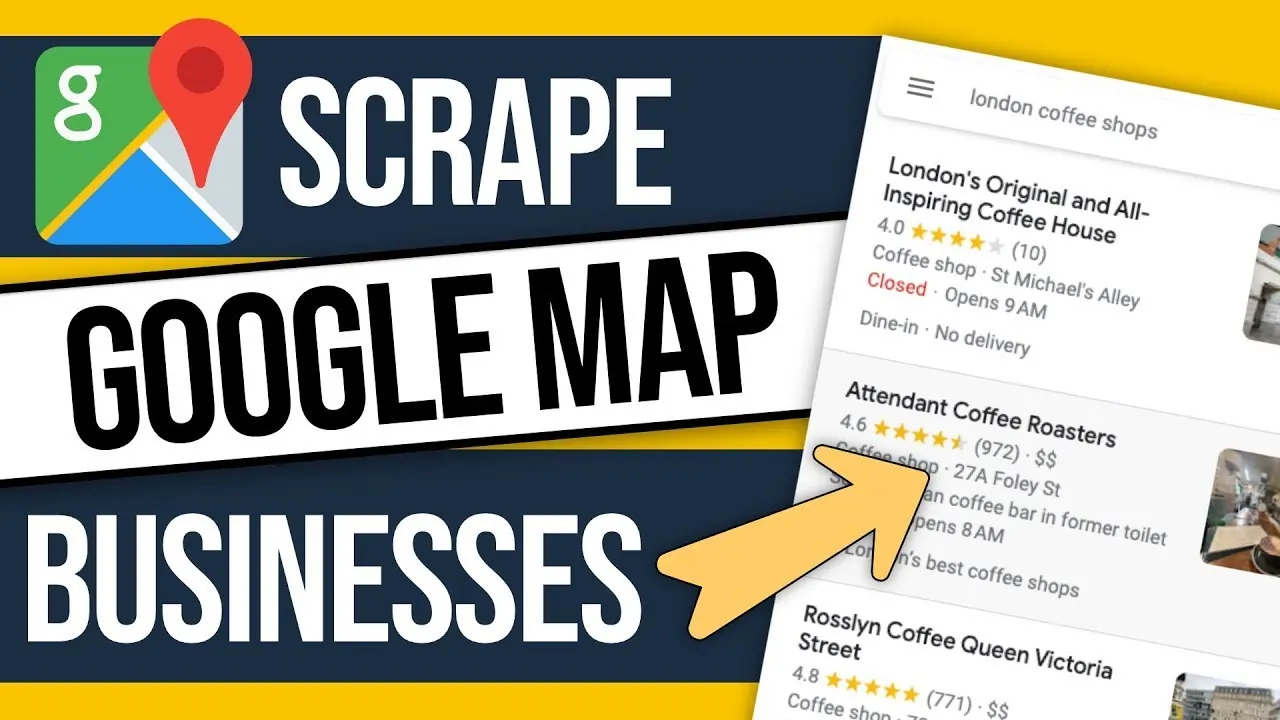
Harness Google Map Data Scraping for Precision Marketing
Precision Marketing: How to Use a Google Map Data Scraper Effectively
Estimated Reading Time: 6 minutes
- Understand the fundamentals of precision marketing.
- Know how to effectively use a Google Map data scraper.
- Implement strategies for successful data scraping.
- Be aware of the challenges and compliance requirements.
- Explore practical takeaways for enhancing marketing efforts.
Table of Contents
- Understanding Precision Marketing
- The Role of a Google Map Data Scraper in Precision Marketing
- Effective Strategies for Using a Google Map Data Scraper
- The Challenges of Using a Google Map Data Scraper
- Practical Takeaways for Implementing a Google Map Data Scraper
- Conclusion
- FAQs
Understanding Precision Marketing
Precision marketing refers to a data-driven strategy that seeks to provide the right message to the right audience at the right time. Unlike conventional marketing, which often adopts a broad approach, precision marketing emphasizes tailored messaging that resonates with specific customer segments. By utilizing tools such as Google Map data scrapers, businesses can gather critical information that enhances their understanding of market dynamics and consumer behaviors.
The Google Map Lead Scraper is an innovative tool designed to extract relevant data from Google Maps, including business names, addresses, website links, and contact information. This data becomes invaluable for marketers looking to build targeted campaigns, derive actionable insights, and ultimately drive conversions.
The Role of a Google Map Data Scraper in Precision Marketing
To leverage precision marketing effectively, organizations must adopt a systematic approach to data collection. A Google Map data scraper can streamline this process significantly. Here’s how it works:
- Data Extraction: The primary function of a Google Map data scraper is to gather relevant business data from Google Maps. This includes basic details like business names, addresses, phone numbers, and more.
- Targeted Lead Generation: By filtering the scraping criteria, businesses can target specific industries or geographic areas. For example, a real estate company can extract data for realtors in a particular city, while a home services provider can focus on contractors.
- Market Analysis: The data gathered can be analyzed to discern market trends, customer preferences, and competitive positioning. This information is critical for making informed decisions and adjusting marketing strategies.
- Time Efficiency: Automating the data collection process significantly reduces the time spent manually gathering information, allowing businesses to focus on other aspects of their operations.
- Cost-Effectiveness: Using a Google Map lead scraper is a cost-effective way to accumulate vast amounts of data without needing extensive resources.
Effective Strategies for Using a Google Map Data Scraper
Implementing a Google Map data scraper can elevate your marketing strategy. Here are some actionable tips for optimizing its use:
1. Define Your Objectives
Before initiating your data scraping, define clear objectives. Are you looking to identify new leads? Understand market conditions? Tailor your marketing campaigns? Having a specified goal will guide your data scraping efforts.
2. Focus on Relevant Metrics
Identify the key metrics that matter to your business. This could include the number of businesses in your target location, their contact information, or their customer reviews. Tailor your scraping settings to prioritize these aspects.
3. Utilize Advanced Filters
Tools like the Kevi Rite Google Map Lead Scraper offer advanced filtering options. Take advantage of these features to extract data that aligns with your marketing goals. For instance, you can filter by categories, ratings, or even specific keywords.
4. Regularly Update Your Data
Market dynamics change rapidly, and staying current is essential. Schedule regular data scrapes to ensure your information remains accurate and relevant. This can help you maintain an up-to-date database of potential leads.
5. Analyze & Segment Your Data
Once your data is extracted, analyze it thoroughly. Look for patterns, trends, and anomalies. Segment your leads based on demographics, behaviors, or industry sectors to tailor your marketing approach effectively.
6. Integrate with CRM Systems
For businesses that use Customer Relationship Management (CRM) systems, integrating scraped data can streamline communication and follow-up processes. Ensure that the data collected is aligned with your CRM structure.
7. Maintain Compliance
When scraping data, especially if you plan to use it for outreach, ensure that your actions comply with data privacy regulations such as GDPR and CCPA. Having a clear understanding of the legal implications will protect your business and bolster your reputation.
The Challenges of Using a Google Map Data Scraper
While Google Map data scrapers provide numerous advantages, there are inherent challenges in their application:
1. Data Accuracy
Despite being an effective lead generation tool, the accuracy of the data obtained can sometimes be questionable. Businesses must routinely verify the relevancy and accuracy of the collected information to avoid outdated or incorrect leads.
2. Legal Considerations
As mentioned earlier, compliance with data protection laws is essential. Businesses must ensure that they use scrapers ethically and within the legal frameworks.
3. Over-Reliance on Automation
Automating data collection should not replace human insight entirely. While scrapers are useful, marketers must engage in manual analysis and ensure that their strategies align with broader business objectives.
4. Adapting to Changes
Google frequently updates its algorithms and interface, which can impact scraping processes. Businesses must stay updated on these changes to adapt their scraping strategies accordingly.
Practical Takeaways for Implementing a Google Map Data Scraper
As businesses venture into the realm of precision marketing, integrating a Google Map data scraper can yield significant benefits. Here are practical takeaways to consider:
- Get Active with Targeting: Leverage segmentation and targeting in your data extraction. Understand your target audience and scrape data based on specific criteria that match them.
- Be Methodical: Create a methodical approach for your data collection process. Develop a compelling workflow that includes scraping, analyzing, and acting on insights derived from the data.
- Make Data-driven Decisions: Use the insights gained from your scraping activities to inform your marketing strategies. Data should drive decisions to ensure that your campaigns are as effective as possible.
- Build Relationships: Use the leads gathered from your scraping efforts to build meaningful relationships and conduct outreach efforts rather than simply sending generic messages.
- Seek Expertise: Utilizing a professional tool like the Kevi Rite Google Map Lead Scraper ensures you access the latest features and updates, positioning you ahead in the competitive market landscape.
Conclusion
Precision marketing is essential in today’s digitally-driven economy. By utilizing a Google Map data scraper effectively, businesses can gather valuable insights and develop targeted strategies that resonate with their audiences. With its ability to streamline the data collection process, the Kevi Rite Google Map Lead Scraper provides a powerful resource for marketers seeking to enhance their outreach efforts.
Whether you’re a seasoned professional or just stepping into the world of data scraping, embracing the power of these tools can transform your marketing approach. Ready to take your precision marketing initiatives to the next level? Explore our services at Kevi Rite and discover how we can empower your business with effective data scraping solutions.
For more informative content, don’t forget to subscribe to our YouTube channel for video tutorials on optimizing your data scraping efforts. Let’s unlock the power of precision marketing together!
FAQs
What is precision marketing?
Precision marketing is a data-driven approach that aims to deliver personalized messages to specific customer segments, ensuring relevance and timeliness.
How does a Google Map data scraper work?
A Google Map data scraper extracts information from Google Maps, including business names, addresses, and contact details, allowing businesses to collect valuable data for targeted marketing.
What are the benefits of using a Google Map data scraper?
Benefits include time efficiency, cost-effectiveness, targeted lead generation, and the ability to analyze market trends and consumer preferences.
How can businesses ensure compliance when using data scrapers?
Businesses need to be aware of data privacy regulations such as GDPR and CCPA and ensure their scraping practices adhere to ethical and legal standards.
What challenges are involved in using a Google Map data scraper?
Challenges include data accuracy, legal considerations, over-reliance on automation, and adapting to changes in Google’s algorithms.