
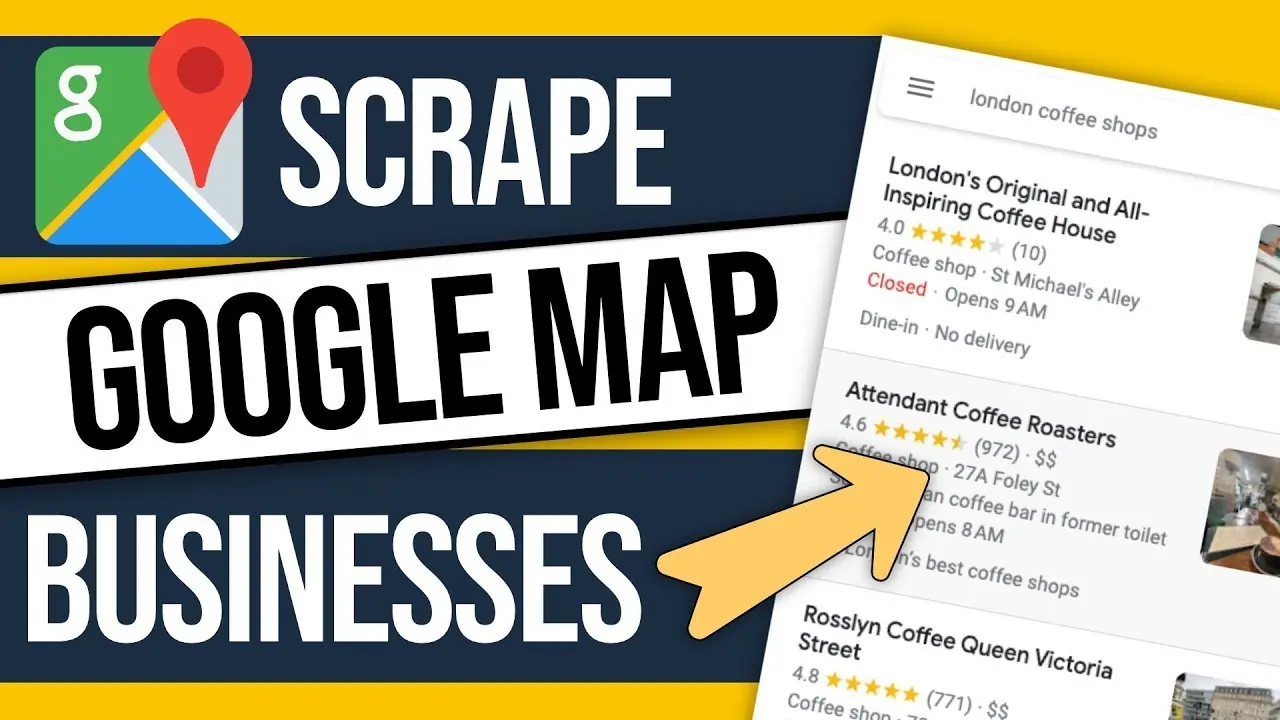
Data-Driven Marketing Campaigns with Google Map Scraper
Data-Driven Marketing Campaigns Made Easy with a Google Map Data Scraper
Estimated reading time: 5 minutes
- Targeted Outreach: Collect information on potential leads.
- Competitive Analysis: Understand offerings and customer feedback.
- Enhanced Customer Engagement: Craft personalized marketing messages.
- Time Efficiency: Automate data collection.
Table of Contents
Understanding Data Scraping and Its Importance
The Role of Google Map Data Scraper in Data-Driven Marketing
Effective Implementation of Data Scraping
Addressing Challenges in Data Scraping
Conclusion: Transforming Your Marketing with a Google Map Data Scraper
FAQ
Understanding Data Scraping and Its Importance
The Role of Google Map Data Scraper in Data-Driven Marketing
Effective Implementation of Data Scraping
Addressing Challenges in Data Scraping
Conclusion: Transforming Your Marketing with a Google Map Data Scraper
FAQ
Understanding Data Scraping and Its Importance
Data scraping is the process of extracting information from various sources, particularly the web. When it comes to Google Maps, scraping data means harvesting contact details, addresses, reviews, and more from businesses listed on the platform. This data can be crucial for various industries, enabling companies to tailor their marketing strategies effectively.
The importance of using a Google Map Data Scraper cannot be overstated. Here are a few reasons why:
- Targeted Outreach: By collecting information about potential leads, businesses can target specific audiences that are more likely to convert.
- Competitive Analysis: Scraping data allows companies to keep tabs on competitors, understanding their offerings and customer feedback, which can inform strategic decisions.
- Enhanced Customer Engagement: Knowing your audience helps craft personalized marketing messages, resulting in better engagement and conversion rates.
- Time Efficiency: Manual data collection can be time-consuming and prone to errors. A Google Map Lead Scraper automates the process, allowing teams to focus on strategy and execution rather than data entry.
The Role of Google Map Data Scraper in Data-Driven Marketing
As businesses strive to create data-driven marketing campaigns, having access to accurate and relevant information is paramount. A Google Map Data Scraper stands out by providing a plethora of data that can be utilized across various marketing channels. Here’s how:
1. Lead Generation
One of the most straightforward applications of a Google Map Data Scraper is lead generation. Whether you are a B2B looking for potential commercial clients or a B2C brand seeking local customers, gathering data on businesses and their contact information is crucial. By utilizing a phone number scraper alongside, you can build an extensive list of prospects, making it easier to initiate contact and promote your products or services.
2. Understanding Customer Behavior
Analyzing customer reviews and feedback gathered from Google Maps allows businesses to comprehend consumer satisfaction levels and preferences. With the data, companies can identify trends, common pain points, and design campaigns that speak directly to the needs of their target audience. In an age where personalization matters, having insights into customer behavior is invaluable.
3. Local SEO Optimization
For businesses operating in specific geographic areas, local SEO is critical. Scraping data from Google Maps can enhance your understanding of the local business landscape. By identifying competitors and understanding what works for them, you can refine your SEO strategies. This helps improve your visibility in local searches, bringing more foot traffic and inquiries.
4. Market Segmentation and Targeting
With data extracted from Google Maps, companies can effectively segment their markets. Whether by industry, size, or geographical location, having refined customer segments allows for targeted advertising efforts. This specificity leads to lower acquisition costs while increasing the likelihood of conversion.
Effective Implementation of Data Scraping
While the benefits of a Google Map Data Scraper are evident, it is essential to implement the tool effectively to achieve desired outcomes. Here are some actionable takeaways for businesses looking to leverage data scrapers in their marketing campaigns:
1. Choose the Right Tool
Not all data scrapers are created equal. When selecting a Google Map Data Scraper, consider factors such as user-friendliness, reliability, and features. Look for tools that offer comprehensive details extraction, including phone numbers, that can streamline your marketing efforts.
2. Set Clear Goals
Define what you aim to achieve with your data scraping efforts. Whether it’s generating leads, conducting competitive analysis, or improving customer engagement, having clear objectives will guide your strategies and enhance overall effectiveness.
3. Ensure Compliance with Legalities
While data scraping is a powerful tool, it is essential to be mindful of legal considerations. Familiarize yourself with the terms of service of Google Maps and ensure that your scraping practices comply with legal and ethical standards to avoid potential issues.
4. Integrate Data into Your Marketing Strategy
Once you’ve gathered data, the next step is to integrate it into your marketing strategy effectively. Use the insights to inform content creation, advertising campaigns, and customer outreach initiatives. This integration is crucial for maximizing the power of your data-driven marketing campaigns.
5. Analyze and Optimize
Data scraping is not a one-time effort. Continuously analyze the data you collect to refine your marketing strategies. By monitoring outcomes, you can optimize campaigns for better results, ensuring that your tools are consistently working to benefit your business.
Addressing Challenges in Data Scraping
Despite the numerous advantages, data scraping can pose challenges. Here are some common issues businesses might face and strategies to overcome them:
1. Data Quality
The integrity of the data collected is critical. Poor-quality data can lead to misguided marketing strategies. To counter this, utilize a reputable Google Map Data Scraper that offers verified information and regular updates.
2. Technical Difficulties
Some businesses may encounter technical hurdles while scraping data. Investing in training or hiring skilled personnel can alleviate these issues, ensuring that your team can efficiently use the tools at their disposal.
3. Staying Updated with Changes
Google frequently updates its algorithms and platforms, which can affect how data can be scraped. Stay informed about these changes and adapt your strategies accordingly to maintain your competitive edge.
Conclusion: Transforming Your Marketing with a Google Map Data Scraper
In conclusion, data-driven marketing campaigns have become essential for businesses looking to thrive in today’s competitive environment. Using a Google Map Data Scraper equips businesses with the necessary tools to gather and analyze data intuitively. By leveraging insights gained from scraped data, organizations can improve their outreach, engagement, and ultimately, their bottom line.
The Kevi Rite Google Map Lead Scraper is designed to enhance your marketing strategies, enabling you to harness the full potential of your data. By streamlining the process of scraping valuable information, it allows your team to concentrate on executing data-driven campaigns that resonate with your audience.
Don’t miss out on the opportunity to elevate your marketing efforts with our innovative tools. For more information, explore our services at Kevi Rite and discover how we can help you succeed in your data collection efforts. Also, check out our YouTube channel for tutorials and insights into maximizing your data scraping capabilities.
Embrace the power of data scraping, and watch your marketing campaigns flourish!
FAQ
Q: What is a Google Map Data Scraper?
A Google Map Data Scraper is a tool that automates the extraction of business information from Google Maps, providing marketers with valuable data to inform their campaigns.
A Google Map Data Scraper is a tool that automates the extraction of business information from Google Maps, providing marketers with valuable data to inform their campaigns.
Q: How can I ensure the quality of the data scraped?
Utilize reputable scrapers that provide verified information and update their datasets regularly to ensure the quality of the data.
Utilize reputable scrapers that provide verified information and update their datasets regularly to ensure the quality of the data.
Q: Is data scraping legal?
While data scraping can be a powerful tool, it is important to comply with legal and ethical standards, including the terms of service of the source platform.
While data scraping can be a powerful tool, it is important to comply with legal and ethical standards, including the terms of service of the source platform.
Q: Can I use the scraped data for targeted advertising?
Yes, scraped data allows for more precise market segmentation, leading to more effective and targeted advertising efforts.
Yes, scraped data allows for more precise market segmentation, leading to more effective and targeted advertising efforts.
Q: How can I integrate the scraped data into my marketing strategy?
Use insights gained from the data to inform content creation, advertising, and outreach initiatives, maximizing your marketing efforts.
Use insights gained from the data to inform content creation, advertising, and outreach initiatives, maximizing your marketing efforts.