Unlock Marketing Insights with a Google Map Data Scraper
Transforming Google Maps into Marketing Gold with a Google Map Data Scraper
Estimated Reading Time: 5 minutes
- Unlock the potential of Google Maps for customer acquisition.
- Learn how different industries can benefit from Google Map data scraping.
- Understand best practices and challenges in data scraping.
- Discover how to implement targeted marketing campaigns using scraped data.
Table of Contents
- The Value of Google Maps Data
- The Power of Lead Scraping Tools in Various Industries
- The Process of Scraping Google Maps Data
- Best Practices for Using a Google Map Data Scraper
- Challenges in Google Maps Data Scraping
- Conclusion
- FAQ
The Value of Google Maps Data
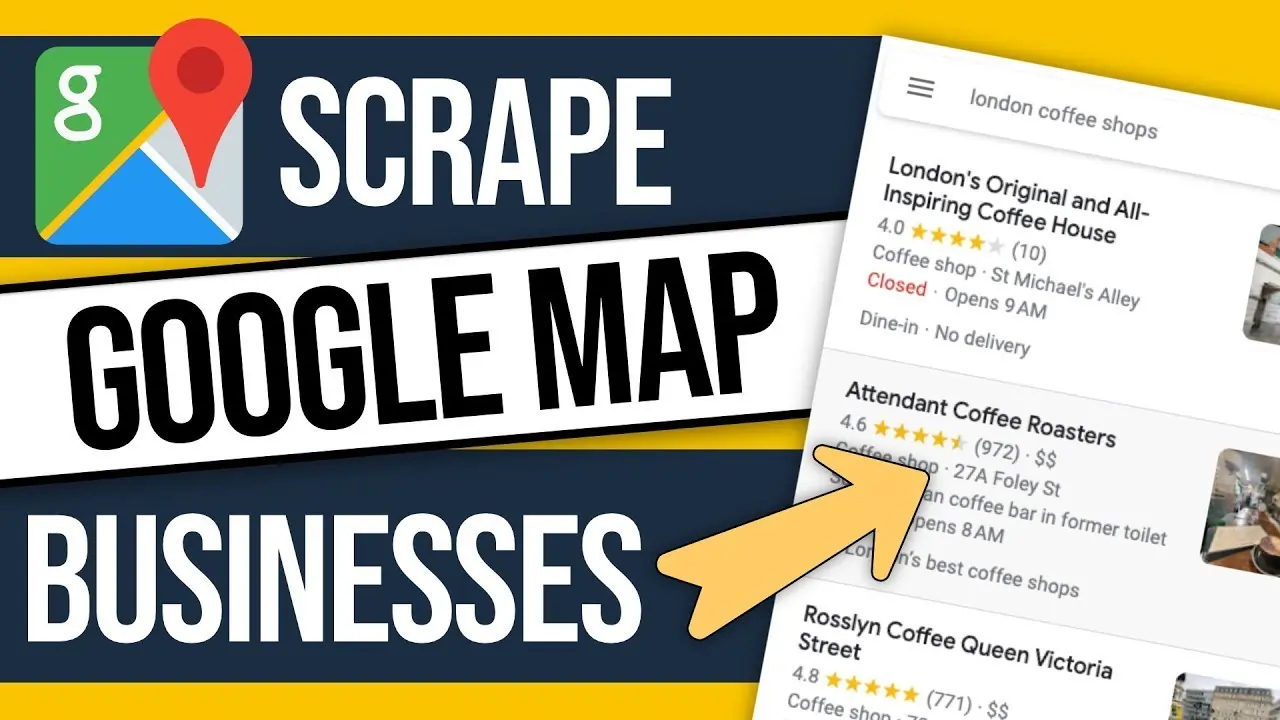
Google Maps is not just a navigation tool; it is a vibrant ecosystem filled with potential leads and valuable insights. The platform hosts a diverse range of businesses, from local cafes to international enterprises. For companies looking to expand their customer base, tapping into this treasure trove of information can provide significant advantages.
The importance of utilizing a Google Map Data Scraper, such as the solution offered by Kevi Rite, cannot be overstated. Businesses can quickly gather key details such as business names, addresses, contact numbers, and customer reviews. This data can then be transformed into actionable marketing strategies, enabling companies to target their ideal clients more effectively.
The Power of Lead Scraping Tools in Various Industries
Lead scraping tools have revolutionized how different industries approach customer acquisition. Each sector has unique requirements for lead generation, and the optimal use of Google Map data can significantly enhance marketing efforts. Here’s how various industries benefit from employing a Google Map Data Scraper:
- Real Estate: Real estate agents can scrape property management companies or landlords from Google Maps to generate targeted leads for their property services. By analyzing reviews and ratings, agents can determine the most sought-after services in their vicinity.
- Hospitality: Hotels and restaurants can extract information on competitors and customers from Google Maps. By analyzing customer feedback, businesses can improve their services and enhance marketing strategies while identifying potential partners for joint promotions.
- Home Services: Electricians, plumbers, and cleaners can utilize Google Map data to find potential customers in their service regions. By contacting local residents and businesses, they can present their services directly to those who need them most.
- Health and Wellness: Gyms, nutritionists, and health practitioners can scrape data from Google Maps to find local businesses needing wellness services. This approach creates a direct connection with potential clients who may already be seeking a healthier lifestyle.
- Retail: Retailers can gather data on market trends and consumer preferences by analyzing nearby competitors on Google Maps, allowing them to tailor their advertising and inventory to meet local demands effectively.
The Process of Scraping Google Maps Data
Utilizing a Google Map data scraper streamlines the process of data extraction significantly. Here’s a step-by-step look at how businesses can effectively leverage this tool:
- Define Your Target Audience: Before scraping, it’s important to identify which type of businesses or locations you want to target. Are you looking for local competitors, potential clients, or industry-specific leads? Pinpointing this will streamline your scraping process.
- Select the Right Scraping Tool: While there are several options available, choosing a reliable and straightforward tool like Kevi Rite’s Google Map Lead Scraper will ensure you gather accurate and valuable data.
- Initiate the Scraping Process: Enter your search criteria into the scraper, leveraging filters such as keywords, categories, and locations. The tool will then extract the relevant data from Google Maps and compile it into an easily accessible format, such as an Excel spreadsheet.
- Analyze the Data: Once you have your dataset, it’s crucial to analyze the findings. Look for trends, opportunities, and areas where your business can improve its outreach. This analysis can provide valuable insights that guide your marketing planning.
- Implement Targeted Marketing Campaigns: Use the information gathered to create focused marketing campaigns that align with the interests and needs of your potential customers. Personalized communication can increase engagement and conversion rates.
Best Practices for Using a Google Map Data Scraper
For businesses eager to utilize a Google Map Data Scraper effectively, consider the following best practices:
- Stay Ethical: Always adhere to legal guidelines and ethical practices when scraping data. Respect privacy regulations and do not engage in spamming tactics.
- Keep Data Up-to-Date: Regularly update your datasets to ensure you’re working with the most current information. Markets are constantly changing, and timely data can make a significant difference in your marketing efforts.
- Leverage Data Visualization: Transform raw data into visually appealing charts and graphs to better communicate insights to your team and stakeholders. Tools like Google Data Studio can be invaluable for this purpose.
- Integrate with CRM Systems: Ensure that the data you collect is integrated into your Customer Relationship Management (CRM) system. This step enhances your ability to track client interactions and adjust marketing strategies accordingly.
Challenges in Google Maps Data Scraping
While Google Map data scraping offers numerous advantages, businesses may encounter some challenges. Understanding these hurdles can prepare marketers to address them effectively:
- Data Quality: Not all data extracted from Google Maps is accurate. Business information may be outdated or incorrect, requiring further verification before use.
- Competition: As more businesses recognize the value of Google Map data, the competition for leads can become fierce. Developing unique value propositions and targeted marketing strategies can help stand out in a crowded field.
- Compliance with Google’s Terms of Service: Google has strict policies regarding data scraping. Businesses must ensure they are operating within these guidelines to avoid penalties or bans.
Conclusion
Transforming Google Maps into marketing gold is not just a dream; it’s a reality for businesses that utilize a Google Map Data Scraper effectively. By extracting relevant and actionable data, companies can enhance their customer acquisition strategies and gain insights into market trends.
As a leader in the Google Map Lead Scraper industry, Kevi Rite provides a robust tool to help businesses navigate the complexities of data scraping. If you’re ready to unlock the potential of Google Maps for your marketing efforts, explore our services today at Kevi Rite. Don’t miss out on the opportunity to elevate your marketing strategy with data-driven insights.
For more tips and insights on utilizing Google Maps for your business growth, be sure to follow us on our YouTube channel at Kevi Rite Official. Let’s turn Google Maps into your secret weapon for success!
FAQ
1. What is a Google Map Data Scraper?
A Google Map Data Scraper is a tool that allows businesses to extract relevant information from Google Maps, such as business names, addresses, phone numbers, and customer reviews.
2. How can I use Google Maps data for my marketing?
By collecting and analyzing data from Google Maps, companies can identify potential leads, enhance marketing strategies, and target specific audiences more effectively.
3. Is scraping data from Google Maps legal?
It’s essential to comply with Google’s Terms of Service and adhere to legal guidelines when scraping data to avoid penalties or bans.
4. What industries benefit from Google Map Data Scraping?
Various industries can benefit, including real estate, hospitality, home services, health and wellness, and retail.
5. How often should I update my scraped data?
Regularly updating your datasets is crucial to ensure you have the most current and relevant information for your marketing efforts.